Paramedics vs. EMTs: Understanding the Key Differences in Medical Transport Services
When there is an emergency, it is easy to get caught up in the chaos. Sirens blare, flashing lights race toward you, and emergency medical responders spring into action. But have you ever stopped to wonder who exactly is coming to your aid: A paramedic or an EMT?
Both Emergency Medical Technicians (EMTs) and paramedics are essential in delivering timely medical care during emergencies. Yet, despite their similarities, they have distinct roles, training, and levels of responsibility. Understanding the key differences between these two professions is crucial for anyone in an emergency situation. In this blog, we’ll explore the roles of EMTs and paramedics, highlighting their unique skills, training, and responsibilities during medical transportation.
What is an EMT (Emergency Medical Technician)?
An Emergency Medical Technician (EMT) is a first responder who plays a crucial role in stabilizing patients at the scene of an emergency and providing basic medical care. EMTs are often the first to arrive on the scene, working swiftly to assess the situation and provide care until more advanced medical personnel, like paramedics, can take over if necessary.
Basic Responsibilities of an EMT
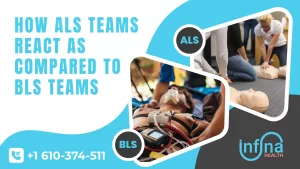
EMTs are trained to handle a wide range of situations, although their scope of care is limited to basic life support (BLS). Some of their core duties include:
- Initial Patient Assessment: EMTs quickly evaluate the condition of patients to identify immediate needs and prioritize care.
- Stabilizing the Patient: Basic life-saving measures like CPR, controlling bleeding, splinting fractures, and administering oxygen.
- Transporting Patients: After stabilizing the patient, EMTs are responsible for safely transporting them to the hospital, ensuring they are closely monitored during the journey.
- Basic Medical Equipment: EMTs use essential tools like stretchers, oxygen tanks, Automated External Defibrillators (AEDs), and bandages.
Training and Certification of an EMT
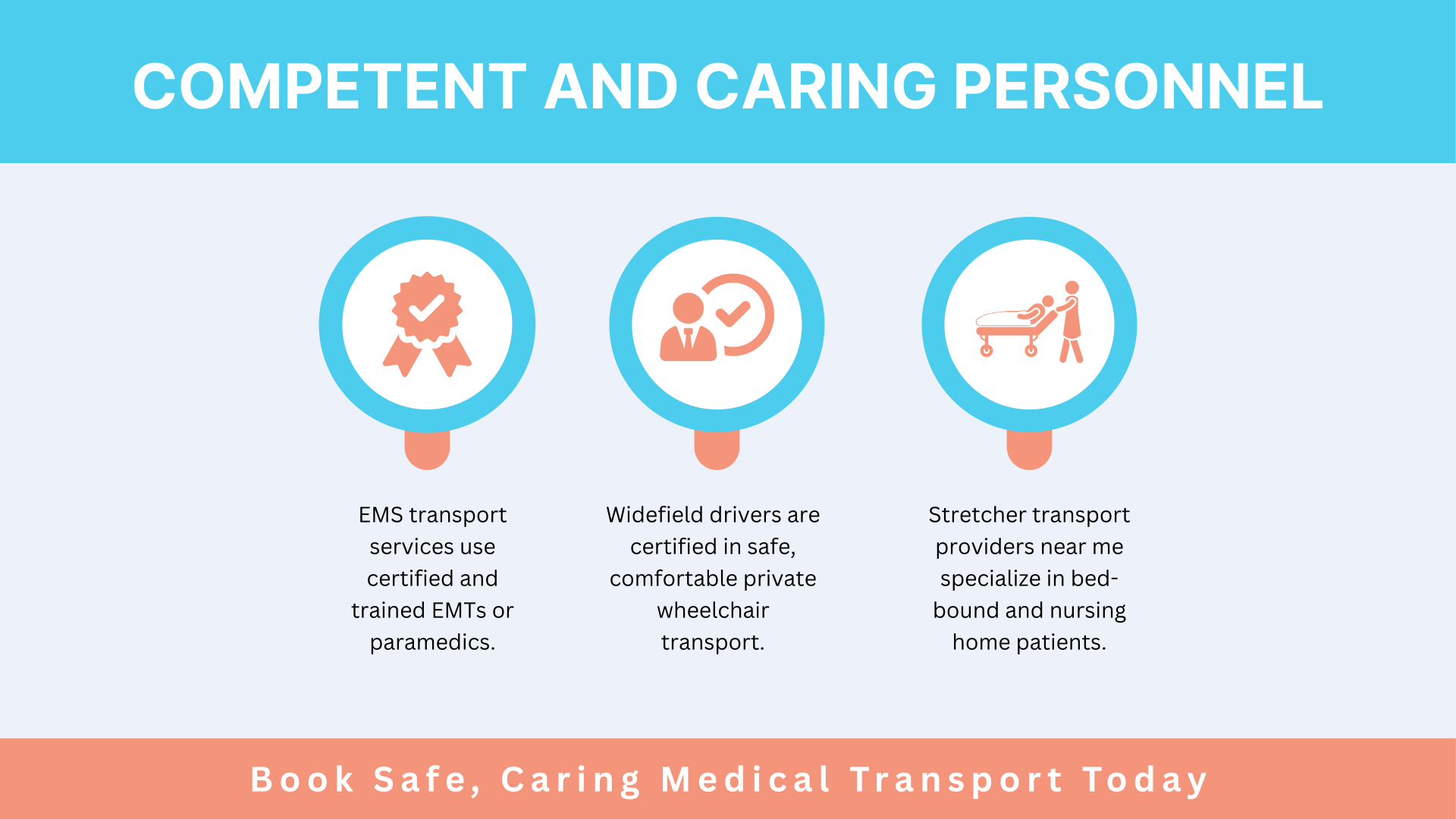
Becoming an EMT typically involves a relatively short training period, including practical skills. The training covers a wide variety of basic medical techniques, patient assessments, and emergency procedures. After completing the training, EMTs must pass a national certification exam (e.g., the National Registry of Emergency Medical Technicians exam) to become licensed.
EMTs are trained to handle situations like asthma attacks, mild injuries, sprains, or fainting spells, but their ability to provide care is limited compared to paramedics.

Two EMTs providing medical assistance to a man lying on the ground at an emergency scene.
What is a Paramedic?
Paramedics are advanced-level providers of emergency care who undergo extensive training to perform complex medical interventions. While EMTs handle initial assessments and basic care, paramedics take over when more advanced life support is required. They are equipped with a broader set of medical skills, training, and tools that allow them to handle critical situations.
Responsibilities of a Paramedic
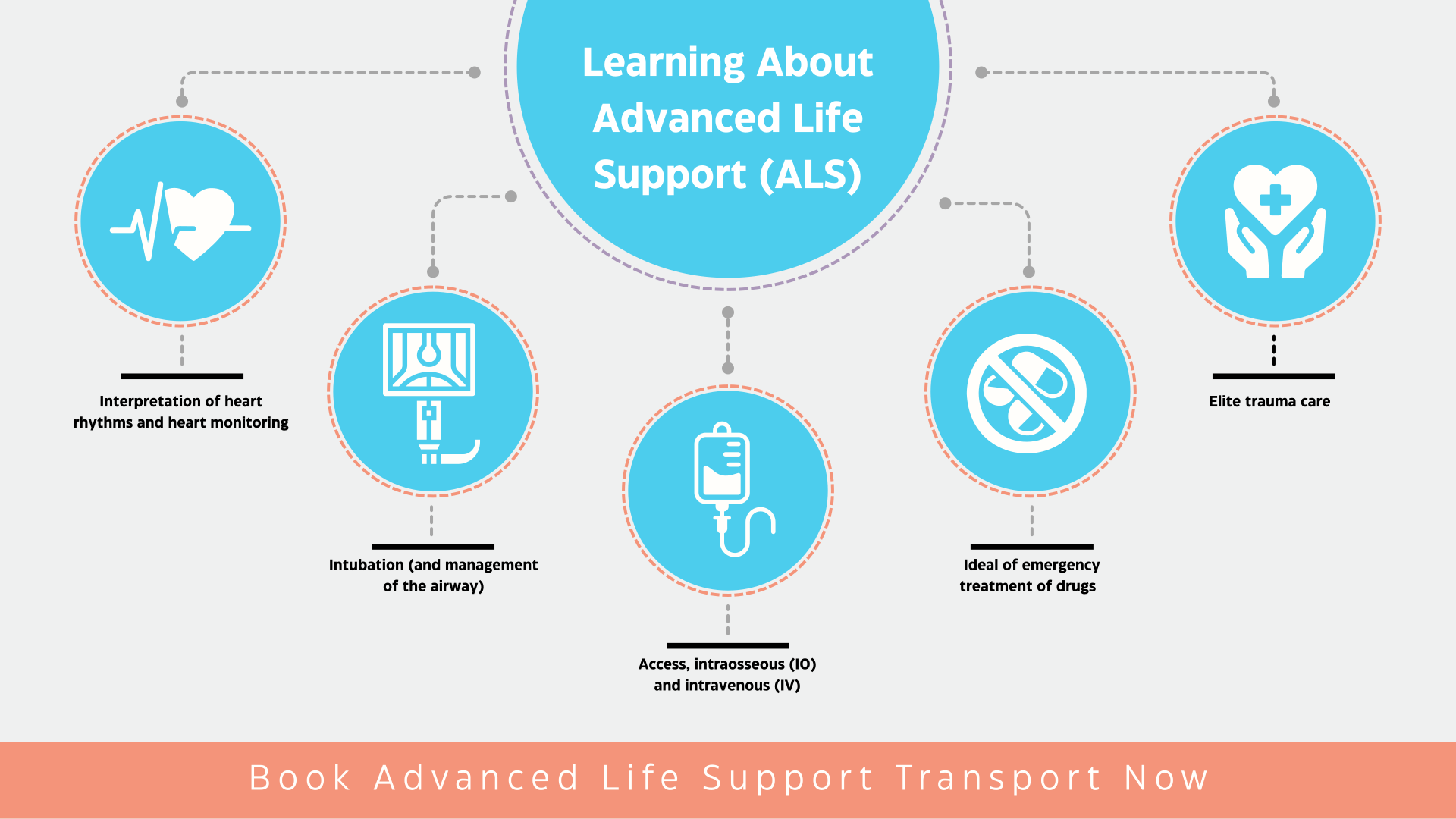
Paramedics provide Advanced Life Support (ALS), which involves more complex care and interventions that go beyond what EMTs are trained to do. Some of the key responsibilities of paramedics include:
- Advanced Patient Assessment: Paramedics conduct detailed evaluations, including cardiac monitoring, advanced airway management, and using diagnostic tools to assess a patient’s condition.
- Medication Administration: Paramedics can administer a wide variety of medications to stabilize patients, including pain relievers, anti-seizure medications, and drugs to support heart function.
- Advanced Medical Procedures: This can include procedures like endotracheal intubation (inserting a tube into the airway), defibrillation (for heart arrhythmias), and starting intravenous (IV) lines for medication administration or fluid replacement.
- Critical Care during Medical Transport: Paramedics are trained to provide ongoing care to patients during medical transportation, often in severe or life-threatening conditions like cardiac arrest, trauma, or severe respiratory distress.
Training and Certification of a Paramedic
Becoming a paramedic requires a significant commitment to education and training. Paramedics must complete an accredited program. These programs include both classroom instruction and clinical hours where paramedics practice skills in hospitals or other medical environments.
Their training goes much deeper into areas like:
- Anatomy and Physiology: Understanding how the human body works, including how organs and systems interact.
- Pharmacology: Learning how medications work in the body and how to administer them properly.
- Advanced Life Support (ALS): Mastering techniques such as advanced airway management, ECG interpretation, and drug administration.
- Clinical Experience: Paramedic students undergo a significant amount of clinical experience, sometimes totaling 1,200 to 1,800 hours, under the supervision of experienced professionals.
Need fast and reliable emergency care? Schedule with us for the right help in your time of need!
Key Differences Between Paramedics and EMTs in Medical Transport Services
While both EMTs and paramedics work within emergency medical services (EMS) and serve as first responders, their roles and capabilities are significantly different. Let’s break down the key differences:
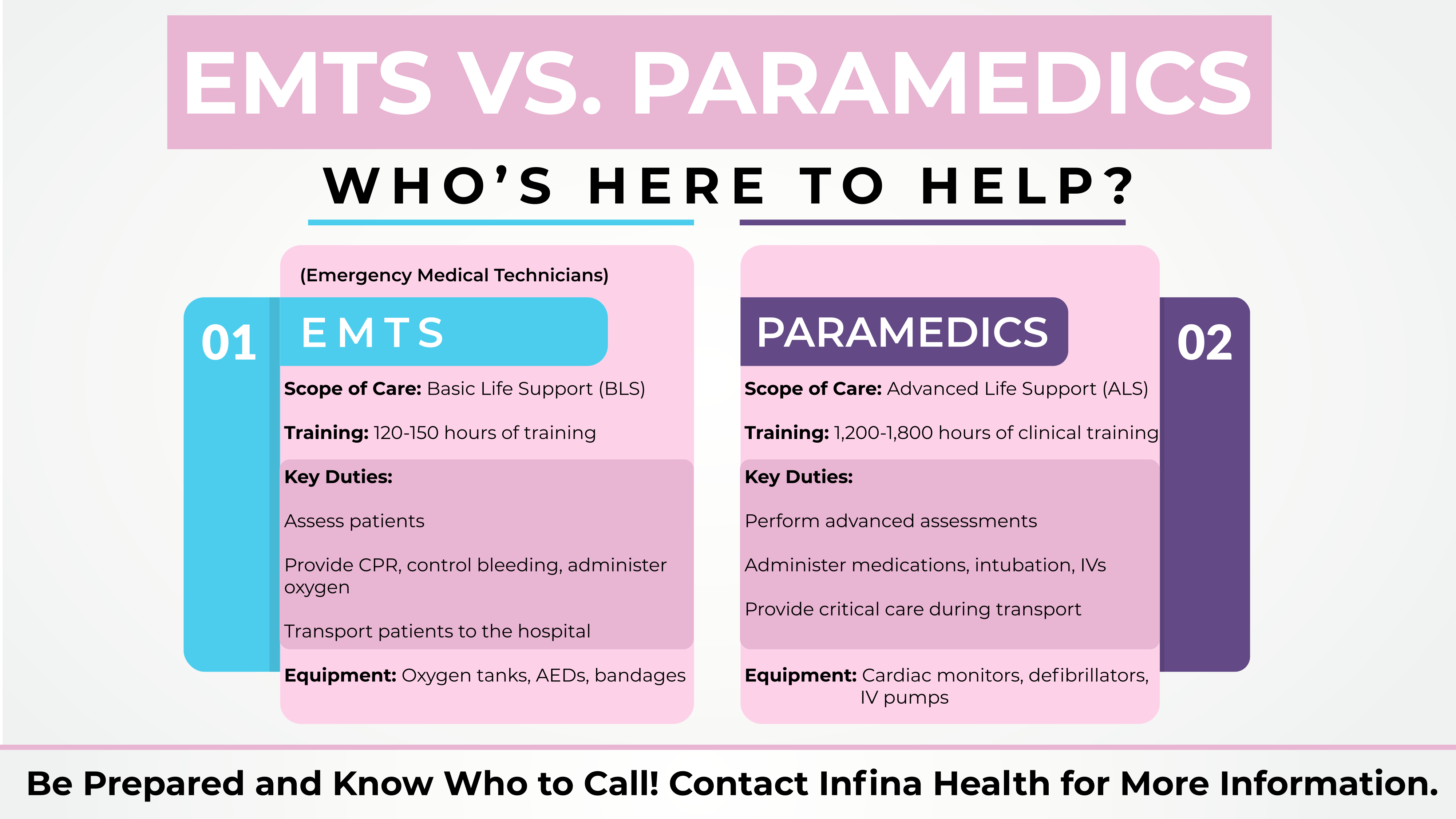
1. Scope of Care
- EMTs: Provide basic life support (BLS). They can perform tasks like CPR, controlling bleeding, splinting injuries, and providing oxygen.
- Paramedics: Provide advanced life support (ALS), including administering medications, performing intubations, and using advanced medical equipment like defibrillators.
2. Training and Education
- EMTs: Training typically lasts 120-150 hours and includes a basic understanding of patient care and emergency procedures.
- Paramedics: Education can take 6 months to 2 years, with advanced coursework in anatomy, pharmacology, and medical procedures, along with clinical experience.
3. Responsibilities at the Scene
- EMTs: EMTs focus on stabilizing the patient, performing assessments, and preparing for transport to a medical facility.
- Paramedics: Paramedics are responsible for providing advanced medical care and interventions, such as administering drugs and performing life-saving procedures.
4. Equipment Used
- EMTs: Use basic medical tools such as oxygen tanks, bandages, AEDs, and splints.
- Paramedics: Have access to advanced medical equipment, including cardiac monitors, IV pumps, and medications.
When Do You See an EMT vs. a Paramedic?
While both EMTs and paramedics play critical roles in the medical response, they are deployed differently depending on the nature of the emergency. Understanding when you are more likely to encounter an EMT versus a paramedic can help clarify their specific roles and the level of care you can expect in a given emergency situation.
1. Initial Response: EMTs First on the Scene
EMTs are usually the first responders to arrive at the scene of an emergency. They are trained to perform Basic Life Support (BLS) and provide initial stabilization until more advanced care arrives. Here’s when and why EMTs are typically the first on the scene:
- Non-Life-Threatening Injuries: For accidents where there is no immediate threat to life, such as minor injuries from falls, sprains, or simple fractures, EMTs provide essential care like bandaging wounds, splinting broken bones, and managing breathing issues.
- Basic Medical Conditions: EMTs are often called to handle non-emergency medical transport issues that still require attention, such as a person experiencing mild chest pain, dizziness, or difficulty breathing from a chronic condition like asthma or COPD. They administer basic interventions like oxygen or CPR if needed and prepare the patient for medical transport.
- Routine Medical Calls: EMTs are often called for situations like fainting, mild allergic reactions, or other relatively straightforward issues that don’t require advanced medical interventions. These types of situations fall well within an EMT’s training and capabilities.
2. When a Situation Escalates: The Role of the Paramedic
While EMTs provide essential stabilization and transport, more serious or complex medical emergencies require the expertise and advanced equipment that paramedics offer. Paramedics are dispatched to handle Advanced Life Support (ALS) and intervene when the situation becomes more critical. They are often on standby or arrive shortly after the EMTs to provide more specialized care. Here’s when and why paramedics take over:
- Life-Threatening Emergencies: When an individual is in immediate danger, such as experiencing a heart attack, stroke, or severe trauma, paramedics are needed to provide critical care. Paramedics can perform advanced assessments, administer medications, and use specialized equipment like defibrillators, IV lines, and cardiac monitors to stabilize patients.
- Severe Trauma and Accidents: When there is a traumatic injury such as a vehicle collision, gunshot wound, or fall from a significant height, paramedics are critical in providing advanced care. EMTs might stabilize the patient at the scene, but paramedics can take over to manage life-threatening bleeding, perform intubation for airway control, administer pain relief, and start an IV line to deliver fluids or medications.
- Advanced Respiratory Issues: For patients experiencing severe difficulty breathing or respiratory failure, paramedics are often the ones to manage advanced airway interventions. They have the skills to perform intubation, use a mechanical ventilator if needed, and administer drugs to manage the underlying condition.
3. Cooperative Response: When EMTs and Paramedics Work Together
In many emergency situations, EMTs and paramedics work as a team to provide the most comprehensive care possible. EMTs are often the first to arrive and provide BLS care while paramedics arrive shortly after and take over for more advanced interventions. Here’s how the two work together in different emergency situations:
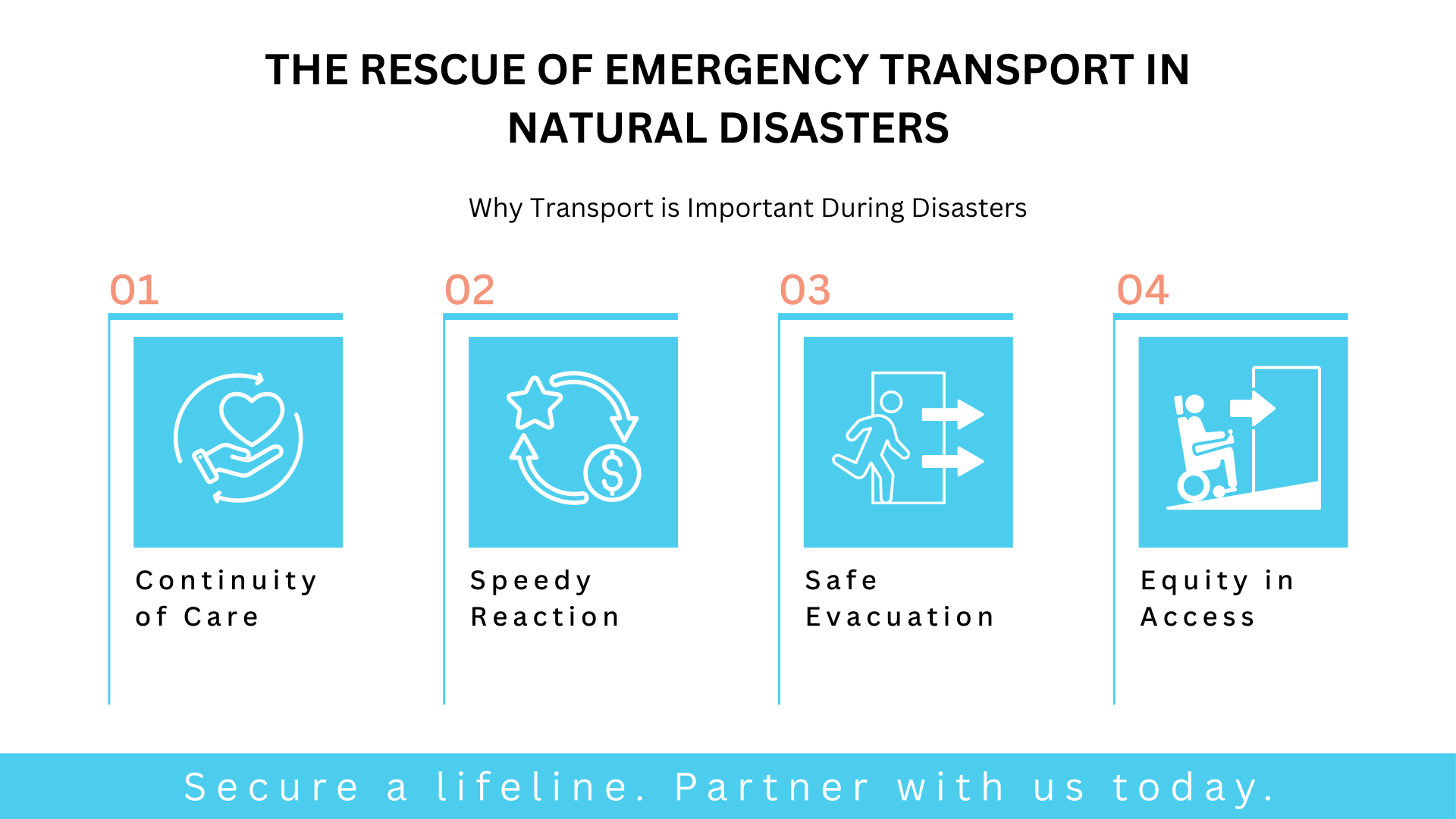
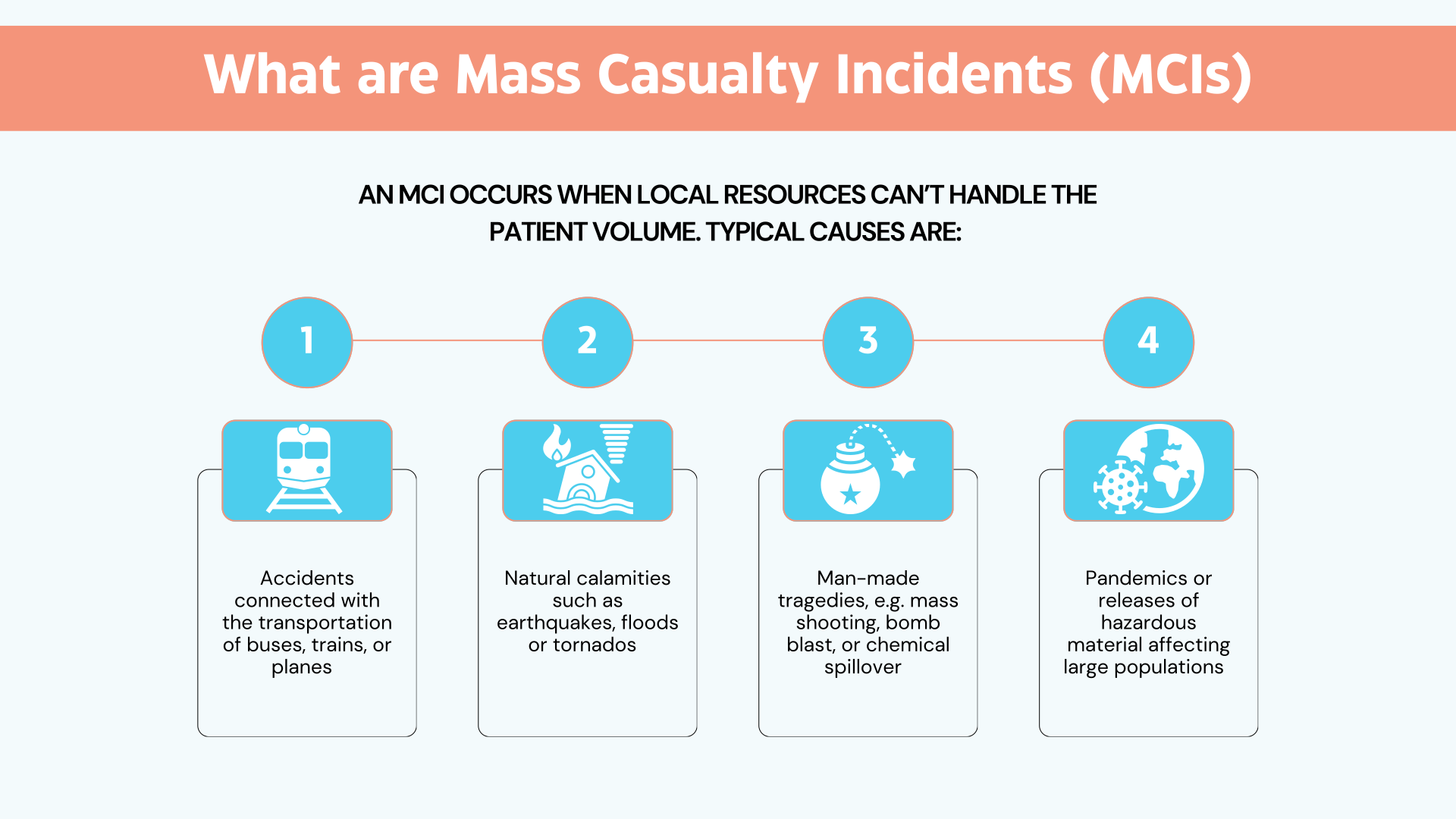
- Mass Casualty Incidents: In situations like earthquakes, multi-car accidents, or natural disasters, where there are multiple injured individuals, both EMTs and paramedics work in unison. EMTs provide immediate care to stabilize patients, while paramedics focus on the most critically injured, performing advanced medical interventions as needed.
- Hospital Handoff: When the patient needs to be transported to a hospital, both EMTs and paramedics play a role. EMTs transport the patient while monitoring their condition, and paramedics continue to provide advanced care during medical transport services, including administering IV fluids, medications, or monitoring vital signs that require complex equipment.
Conclusion
In any emergency, understanding the roles of Emergency Medical Technicians (EMTs) and paramedics can make all the difference. While both groups are essential in delivering life-saving care, they each bring unique skills and expertise to the table.
At Infina Health, we pride ourselves on having a dedicated team of both EMTs and paramedics who work together to provide the best emergency care. Our team is committed to offering timely, efficient, and compassionate medical services, ensuring that every patient receives the appropriate level of care. So, contact Infina Heath for expert emergency medical services you can trust.
Don’t wait for a crisis to happen. Be prepared and know who to call when you need help.