Factors Affecting the Cost of Medical Transportation Services
Medical transportation has evolved from a mere luxury to a vital necessity in today’s healthcare environment. As healthcare systems become more complex and specialized, the need for efficient and reliable transportation services to access medical appointments, treatments, and facilities has grown. That is why it has become important for individuals and families to understand the factors influencing the cost of medical transportation services so they can better manage their healthcare expenses.
In this blog, we will discuss the different types of medical transport services available and explore the cost associated with each option. Additionally, we will examine the key factors that can significantly impact the overall cost of these services. By gaining insights into these aspects, readers can make informed decisions when selecting medical transportation solutions that align with their specific needs and budget constraints.
Types of Medical Transportation Services
Medical transport services cater to a wide range of needs, from routine appointments to critical care situations. Here are some of the most common types:
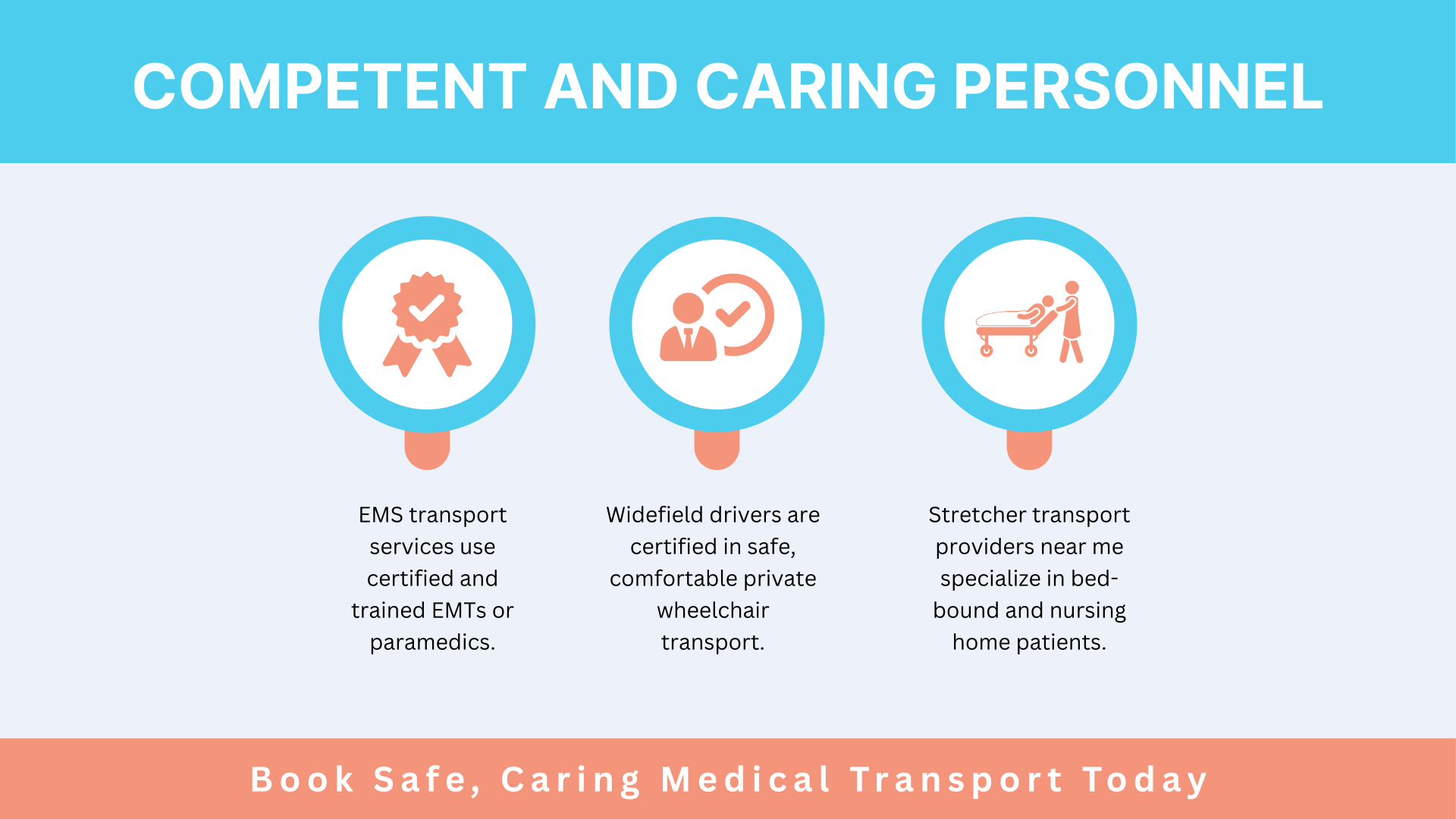
- Wheelchair Transportation
Wheelchair transportation is designed for individuals who require a wheelchair for mobility. It includes transportation to and from medical appointments, therapy sessions, and other healthcare facilities.
- Critical Care Transport
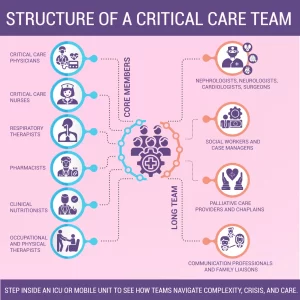
For patients in critical condition, critical care transport involves specialized vehicles equipped with medical equipment and staffed by highly trained medical professionals. It is typically used for patients requiring intensive care or life support during transportation.
- Stretcher Transport
When a patient is unable to sit upright or requires a stretcher for transportation, stretcher transport is utilized. This service is often necessary for patients with injuries, illnesses, or disabilities that limit their mobility.
- BLS (Basic Life Support) Transport
BLS transport involves vehicles equipped with basic life support equipment and staffed by EMTs. This service is suitable for patients who require basic medical care, such as oxygen administration or monitoring vital signs.
- ALS (Advanced Life Support) Transport
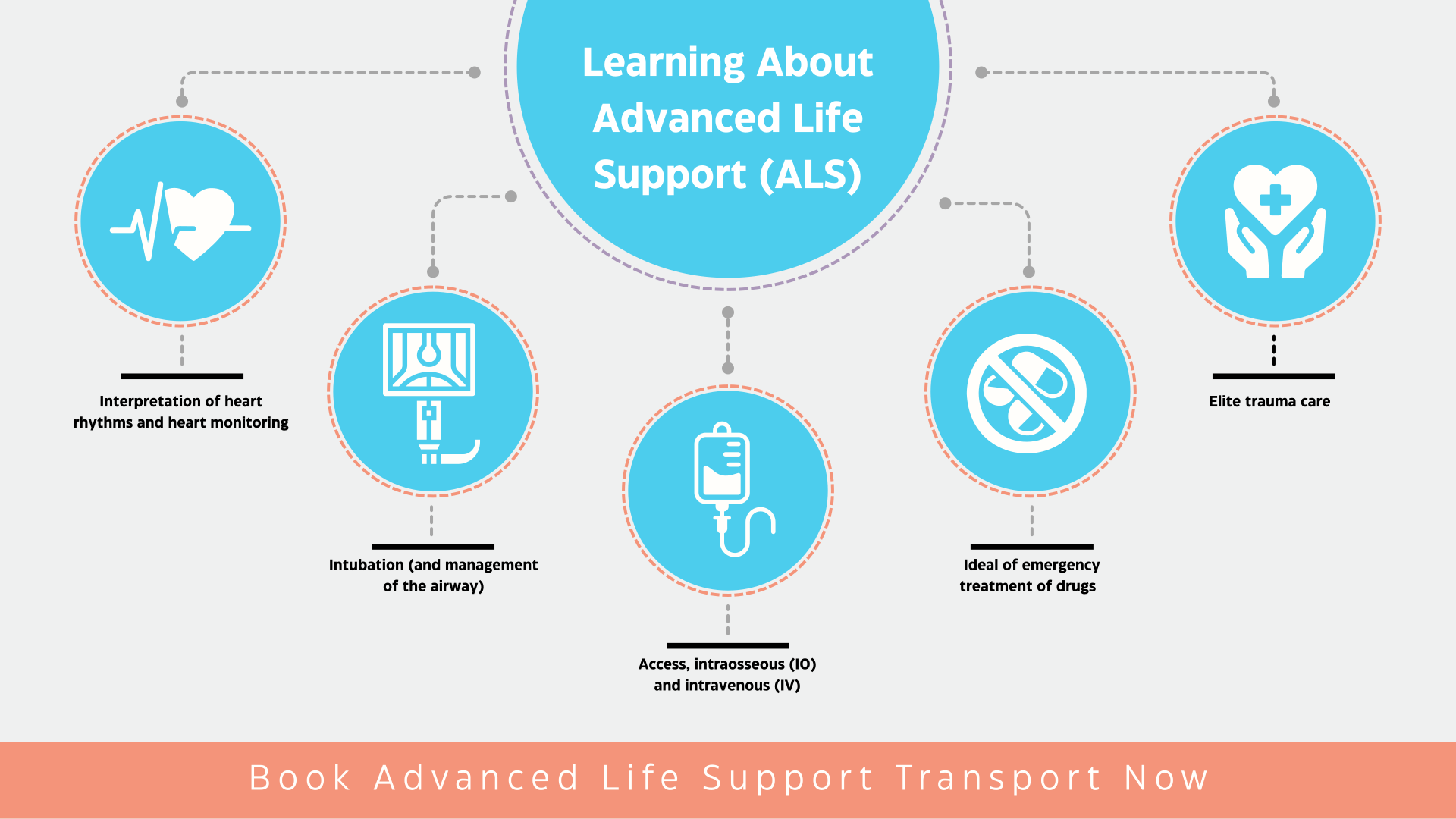
ALS transport is provided by vehicles equipped with advanced life support equipment and staffed by paramedics. This service includes the ability to administer medications, perform cardiac procedures, and manage complex medical emergencies.
- Bariatric Transport
Bariatric transport is designed for individuals who are overweight or obese. These vehicles are equipped with specialized equipment to accommodate larger patients and ensure their safety and comfort during transportation.
- Medical Transportation for People with Special Needs
Individuals with special needs may require specialized medical transportation services to accommodate their unique requirements. This can include transportation for those with developmental disabilities or other medical conditions.
- Non-emergency Medical Transportation (NEMT)
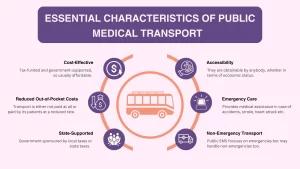
NEMT services provide transportation for individuals who cannot drive or rely on public transportation to access medical appointments, treatments, and facilities. These services can vary in terms of the types of vehicles used and the level of medical care needed.
If you want to learn more about the different types of medical transportation services, read our blog on our website.
What is the Cost of Medical Transportation Services?
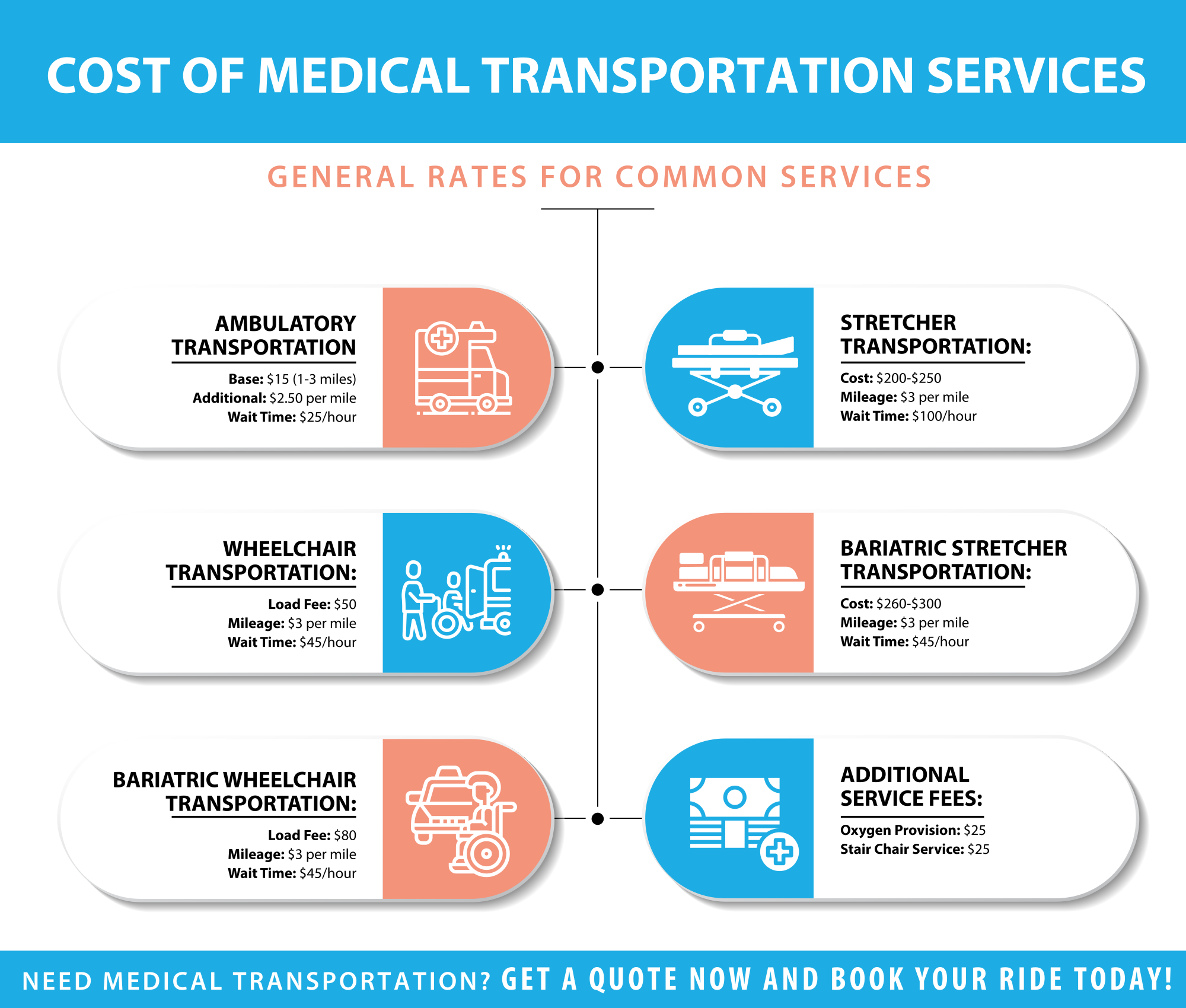
Determining the cost of medical transportation services can be challenging, as several factors come into play. One of the main aspects is that rates for medical transport vary significantly by provider, and there is no standardized pricing across the United States. Additionally, insurance coverage for these services differs by insurer, which can affect out-of-pocket costs for patients. However, here is a breakdown of approximate rates for various types of medical transport:
- Generally, ambulatory transportation costs around $15 for the first 1-3 miles, with an additional $2.50 per mile after that. If you need to wait, the fee is typically $25 per hour.
- Wheelchair transportation usually includes a $50 load fee, followed by $3 per mile. Wait-time fees apply at $45 per hour.
- Bariatric wheelchair transportation for patients over 250 lbs., the cost starts at an $80 load fee, with a mileage rate of $3 per mile and wait-time fees of $45.
- Stretcher transportation services range from $200 to $250, with additional mileage charges of $3 per mile and a wait-time fee of $100 per hour.
- Bariatric stretcher transportation costs range from $260 to $300, with a mileage rate of $3 per mile and wait-time fees of $45.
Additional service rates may apply, such as $25 for oxygen provision or stair chair service.
8 Factors that Influence the Cost of Medical Transportation
The cost of medical transportation services can vary significantly depending on several factors. While there is no standard rate for medical transportation cost in the United States, understanding the key factors that influence pricing can help individuals and families make informed decisions. Here are the main factors that influence the cost of medical transport:
1. Provider Rates
One of the primary determinants of medical transportation costs is the specific provider offering the service. Different companies may have varying pricing structures, influenced by factors such as operating costs, geographic location, and the level of service provided.
2. Insurance Coverage
The extent to which insurance covers medical transport services can vary widely. Some insurance plans may fully cover the cost, while others may have co-payments, deductibles, or limitations on the number of authorized trips. It’s essential to review your insurance policy to understand your specific coverage for medical transportation.
3. Type of Transportation Service
The type of transportation required can greatly impact the cost. For example, stretcher transportation generally costs more than wheelchair or ambulatory transportation due to the specialized equipment and additional care required.
4. Distance Traveled
The distance traveled between the patient’s location and the medical facility is another factor affecting cost. Most providers charge a base rate for a certain mileage range and then add additional fees for longer distances.
5. Wait Time
Patients may incur wait-time fees if the transport vehicle needs to wait for the patient at their location or during the journey. Many services charge hourly rates for this waiting period, which can add up quickly if delays occur.
6. Special Requirements
Additional services required during transport can also impact costs. For instance, if oxygen is needed, there may be an extra charge. Similarly, if the transport involves using a stair chair or other special equipment, those services might carry additional fees.
7. Geographic Location
The region in which the service is provided can also affect pricing. Urban areas may have different pricing structures compared to rural locations due to demand, availability of services, and operational costs.
1. Type of Vehicle Used
The kind of vehicle utilized for transportation can influence costs. Specialized vehicles equipped for specific medical needs, such as bariatric transport vehicles or critical care ambulances, typically come with higher fees due to their enhanced capabilities.
Are you looking for affordable medical transport options? Let us help you find the right fit!
Conclusion
Understanding the factors that influence the cost of medical transportation is important for patients and families so they can better plan their healthcare expenses. From the type of service required and the distance traveled to insurance coverage and special requirements, these elements can significantly impact overall expenses. If you’re looking to book reliable and affordable medical transport services, Infina Health offers a range of options designed to meet your needs without breaking the bank.
Get an accurate estimate for your medical transport – learn about pricing, fees, and options today.