Emergency vs. Non-Emergency Medical Transport: What You Need to Know
As the global population continues to grow, so does the impact on our environment, public health, and healthcare systems. More people means an increased demand for resources, more strain on ecosystems, and unfortunately, a rise in the prevalence of diseases. With environmental changes, such as pollution, urbanization, and climate shifts, come new health challenges, often resulting in a greater need for medical services and infrastructure. In parallel, the need for healthcare transport systems, both emergency and non-emergency medical transport, becomes even more critical in addressing these challenges.
Whether it’s the need for urgent care in life-threatening situations or routine visits for ongoing medical treatments, access to reliable medical transport plays an important role in ensuring people receive the care they need, when they need it. Understanding the differences between emergency and non-emergency medical transportation is key to managing this evolving demand and optimizing patient care. In this blog, we will discuss the distinctions between these two types of medical transport and explore when each is necessary. Let’s get started!

Medical professionals preparing a stretcher for non-emergency medical transport of a patient.
What is Emergency Medical Transport?
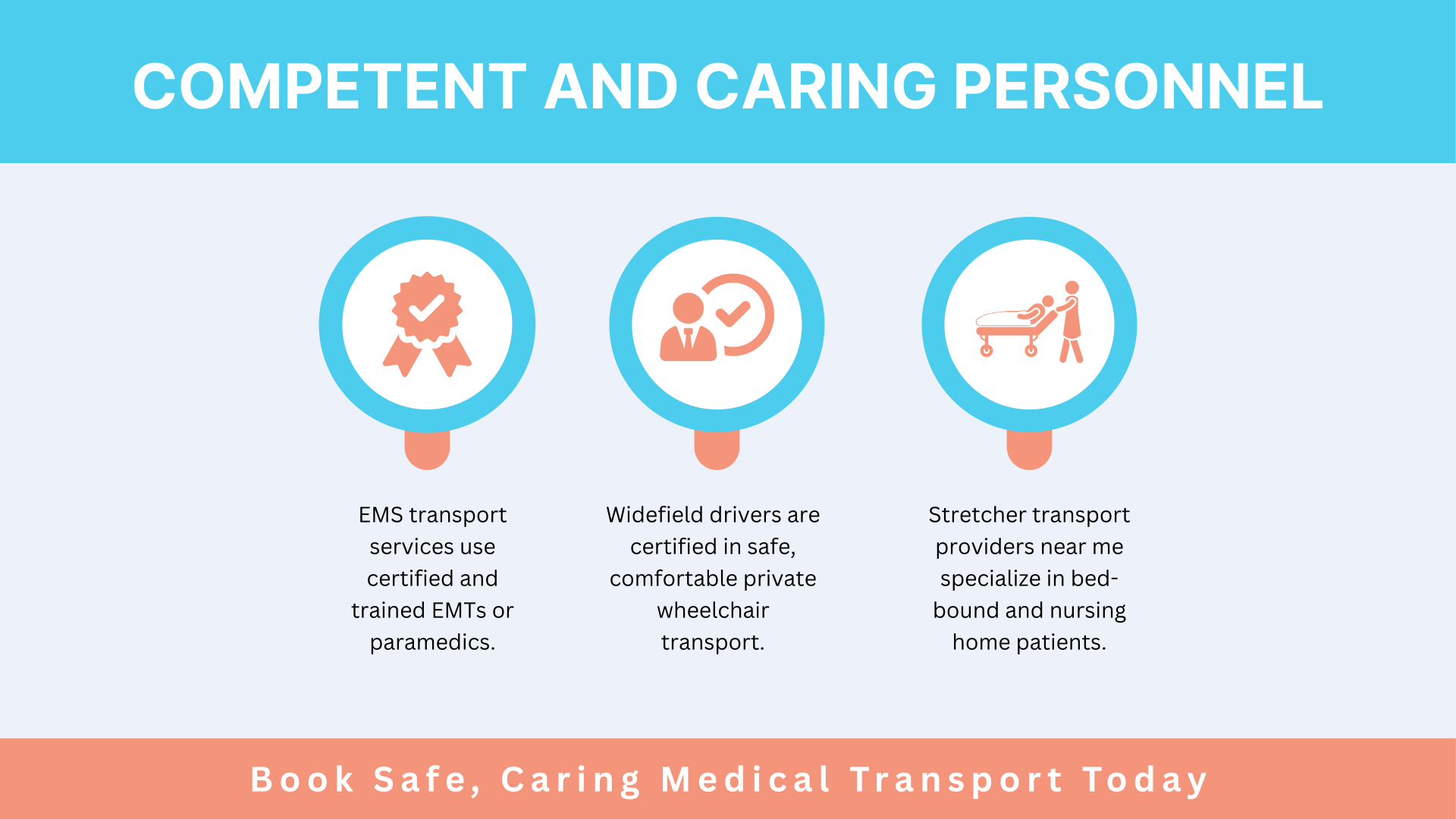
Emergency Medical Transport refers to the transportation of patients who require immediate, life-saving care due to severe injuries, medical conditions, or emergencies. This type of transport is designed to respond quickly to critical situations where a patient’s health is at risk and time is of the essence. Emergency medical transport services are equipped with trained medical professionals, such as paramedics or emergency medical technicians (EMTs), and advanced medical equipment to stabilize the patient during transit and provide urgent care.
Key Features of Emergency Medical Transport
Here are some of the key features that define emergency medical transport:
- Rapid Response: Emergency medical transport services prioritize speed and efficiency. They are equipped to respond to emergency calls promptly.
- Highly Trained Personnel: Emergency medical transport teams consist of skilled paramedics, emergency medical technicians, and other healthcare professionals.
- Advanced Medical Equipment: Ambulances are outfitted with state-of-the-art medical equipment to stabilize patients during transport.
- 24/7 Availability: Emergency medical transport services operate around the clock to ensure immediate assistance when needed.
- Direct Transport to Appropriate Facilities: Patients are typically transported to hospitals or trauma centers that can provide immediate, specialized care, depending on the nature of their emergency.

Two medical professionals assisting and transporting a patient on a stretcher during emergency medical transport.
Types of Emergency Medical Transport
Here are the main types of emergency medical transport:
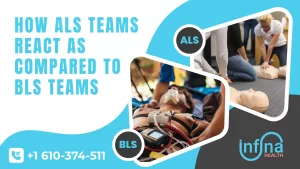
- Basic Life Support (BLS) Ambulances: These ambulances provide essential care, such as oxygen administration, CPR, and splinting.
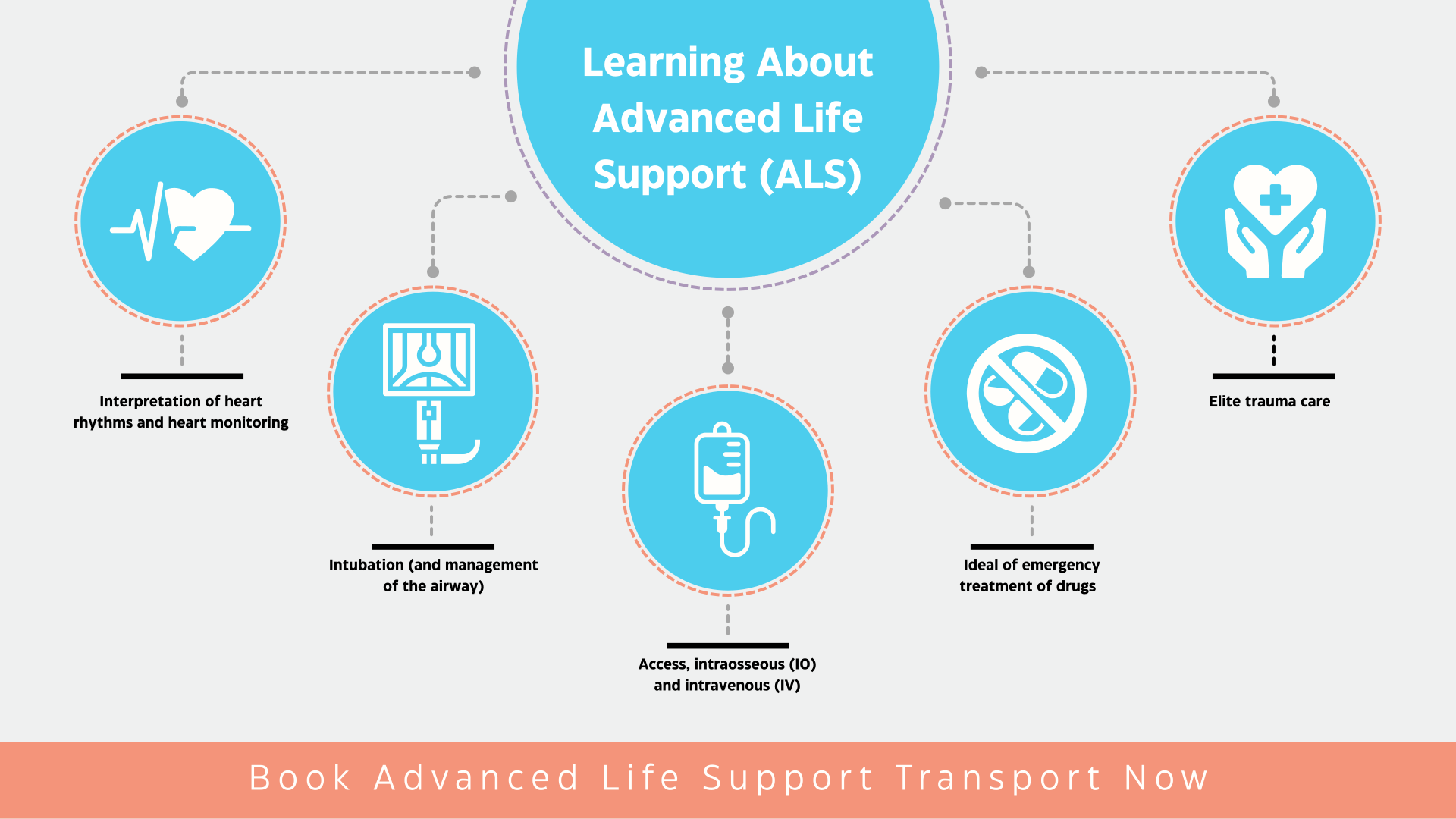
- Advanced Life Support (ALS) Ambulances: Equipped with advanced medical equipment, these ambulances can handle more complex medical emergencies, including cardiac arrest and severe trauma.
- Air Ambulance: For emergencies that require rapid long-distance travel, air ambulances (helicopters or fixed-wing planes) are used. These are equipped with more advanced life-support systems and are especially helpful when road access is limited, or transport time is critical.
- Critical Care Transport Services: In some cases, such as for trauma victims or patients requiring critical care, specialized ambulances with advanced medical equipment and personnel may be required.
Benefits of Emergency Medical Transport
Here are some of the key benefits of emergency medical transport:
- Life-Saving Care: The primary benefit of emergency medical transport is its ability to provide life-saving treatment while transporting the patient to a healthcare facility. Timely intervention can be the difference between life and death, especially in cases like heart attacks, strokes, or traumatic injuries.
- Minimizing Risk of Complications: By providing immediate care during transport, these services help minimize the risk of complications that could worsen the patient’s condition before they reach the hospital.
- Availability of Immediate Medical Attention: Patients receive expert medical care right away—paramedics and EMTs are trained to assess, stabilize, and treat a range of medical emergencies during transport.
- Convenience for Families and Caregivers: For family members and loved ones, these services provide comfort knowing that their loved one is being transported with the highest level of care and attention.
When is Emergency Medical Transport Needed?
Emergency medical transport is required in situations where time is critical and medical intervention is necessary to prevent further harm. Some common scenarios include:
- Heart attacks
- Stroke
- Poisoning
- Acute pain
- Trauma and accidents
- Severe allergic reactions
- Respiratory emergencies like severe asthma attacks, pneumonia, or choking
What is Non-Emergency Medical Transport (NEMT)?
Non-Emergency Medical Transport (NEMT) refers to transportation services provided to individuals who need medical assistance but do not require urgent or emergency care. NEMT is often used for patients with chronic conditions, disabilities, or mobility challenges who need help getting to medical appointments, therapy sessions, or other non-urgent medical services. Unlike emergency transport, NEMT focuses on comfort, accessibility, and convenience rather than immediate life-saving interventions.
Key Features of Non-Emergency Medical Transport (NEMT)
Here are some of the key features that define NEMT:
- Accessible Vehicles: NEMT vehicles are equipped to accommodate individuals with special needs, such as wheelchair lifts, ramps, and spacious interiors for those requiring assistance.
- Non-Urgent Medical Care: NEMT is not for life-threatening conditions but is intended for patients who need transport to regular doctor visits, physical therapy, dialysis, or other medical services.
- Assistance During Transport: Some NEMT services include trained drivers or medical personnel who can assist with boarding, ensuring patient comfort, and offering basic medical assistance if necessary (e.g., oxygen for patients with breathing issues).
- Scheduled and Planned Transport: NEMT is typically scheduled in advance, providing flexibility for patients who need regular or routine medical visits.
Types of Non-Emergency Medical Transport (NEMT)
There are different types of NEMT services, each catering to varying patient needs:
- Wheelchair Transport: These vehicles are equipped with ramps or lifts for patients in wheelchairs and can accommodate multiple passengers, making them ideal for individuals with mobility impairments who need assistance getting to medical appointments.
- Stretcher Transport: This service is for patients who are unable to sit up for extended periods but do not require the intensive care of an emergency transport. Stretcher transport vehicles are specially designed with a bed or stretcher for these patients.
- Ambulatory Transport: This is for patients who can walk but may need help due to age, injury, or disability. These vehicles often provide extra support, like a driver trained to assist with walking or carrying items.
- Special Needs Transport: This type of transport is tailored for patients with physical or cognitive disabilities that require additional care during transit.
- Bariatric Transport: Bariatric transport is designed for overweight or obese patients who require additional space and special equipment during transport.
Benefits of Non-Emergency Medical Transportation (NEMT)
Here are some of the key benefits of using NEMT:
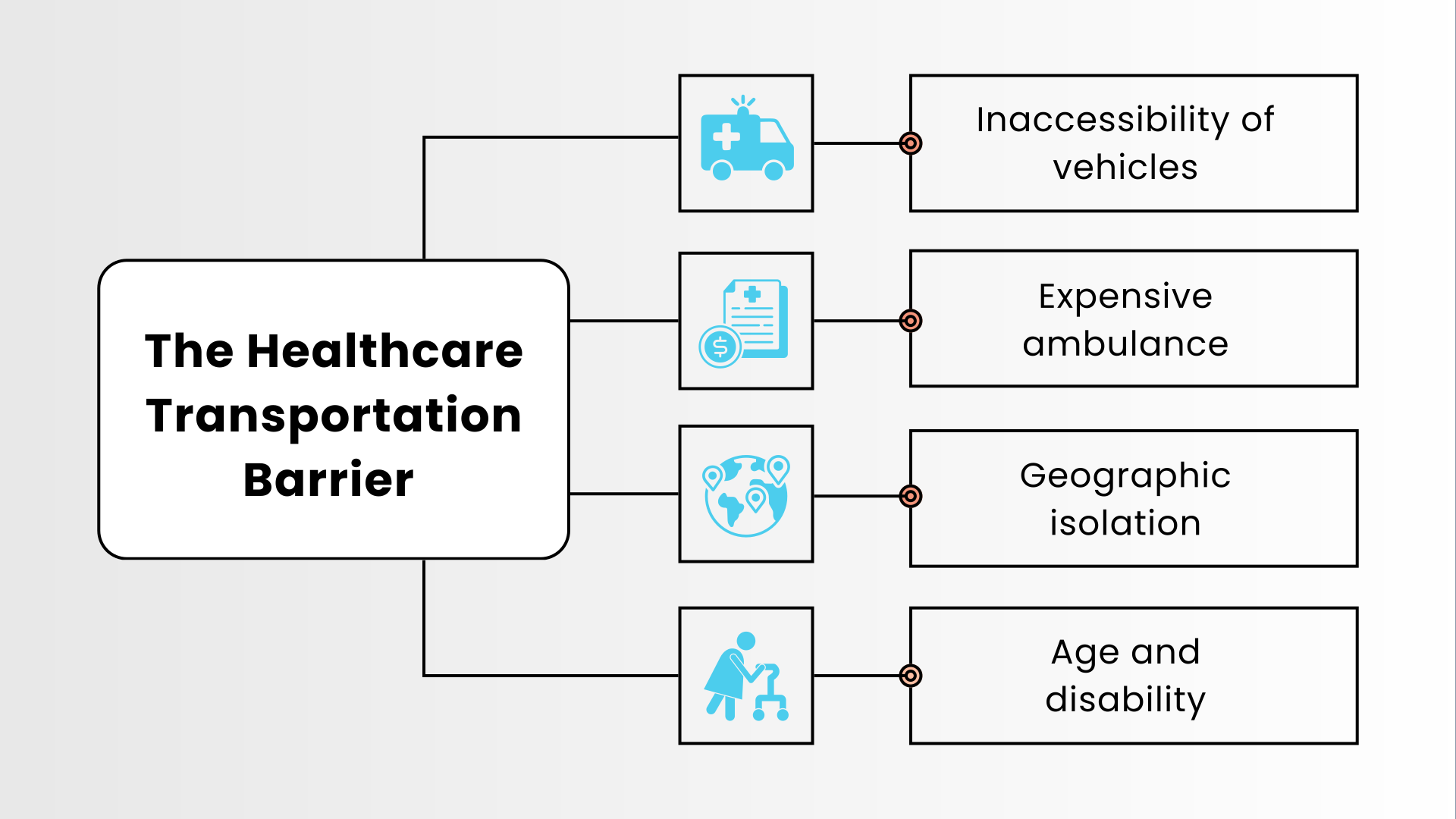
- Improved Access to Care: NEMT helps ensure patients who may have difficulty with transportation (due to age, disability, or medical condition) can access the care they need. This is especially important for those who require regular appointments for treatments like chemotherapy or dialysis.
- Cost-Effective: Compared to emergency transport, NEMT is generally more affordable. Many insurance programs, including Medicaid, cover NEMT, making it an accessible option for patients without the financial burden of emergency transport services.
- Comfort and Safety: Vehicles are designed to be more comfortable and accessible than traditional public transportation, reducing stress and physical strain for patients who may already be dealing with health issues.
- Increased Independence: NEMT provides patients with the ability to attend medical appointments independently, without relying on family, friends, or public transit, making it easier for those with chronic conditions to manage their health.
When is Non-Emergency Medical Transportation (NEMT) Needed?
NEMT is needed when a person has medical conditions that are stable but require assistance getting to and from healthcare facilities. Some common scenarios include:
- Physical disabilities
- Post-surgery or rehabilitation
- Elderly or frail patients
- Routine doctor appointments
- Dialysis treatments
- Chemotherapy sessions
- Physical therapy
- Mental health appointments
- Chronic medical conditions such as diabetes, heart disease, or chronic respiratory issues
- Non-urgent medical treatments like chemotherapy, physical therapy, or specialist consultations
Need emergency or non-emergency transport? Schedule your ride now with confidence!
Differences Between Emergency and Non-Emergency Medical Transport
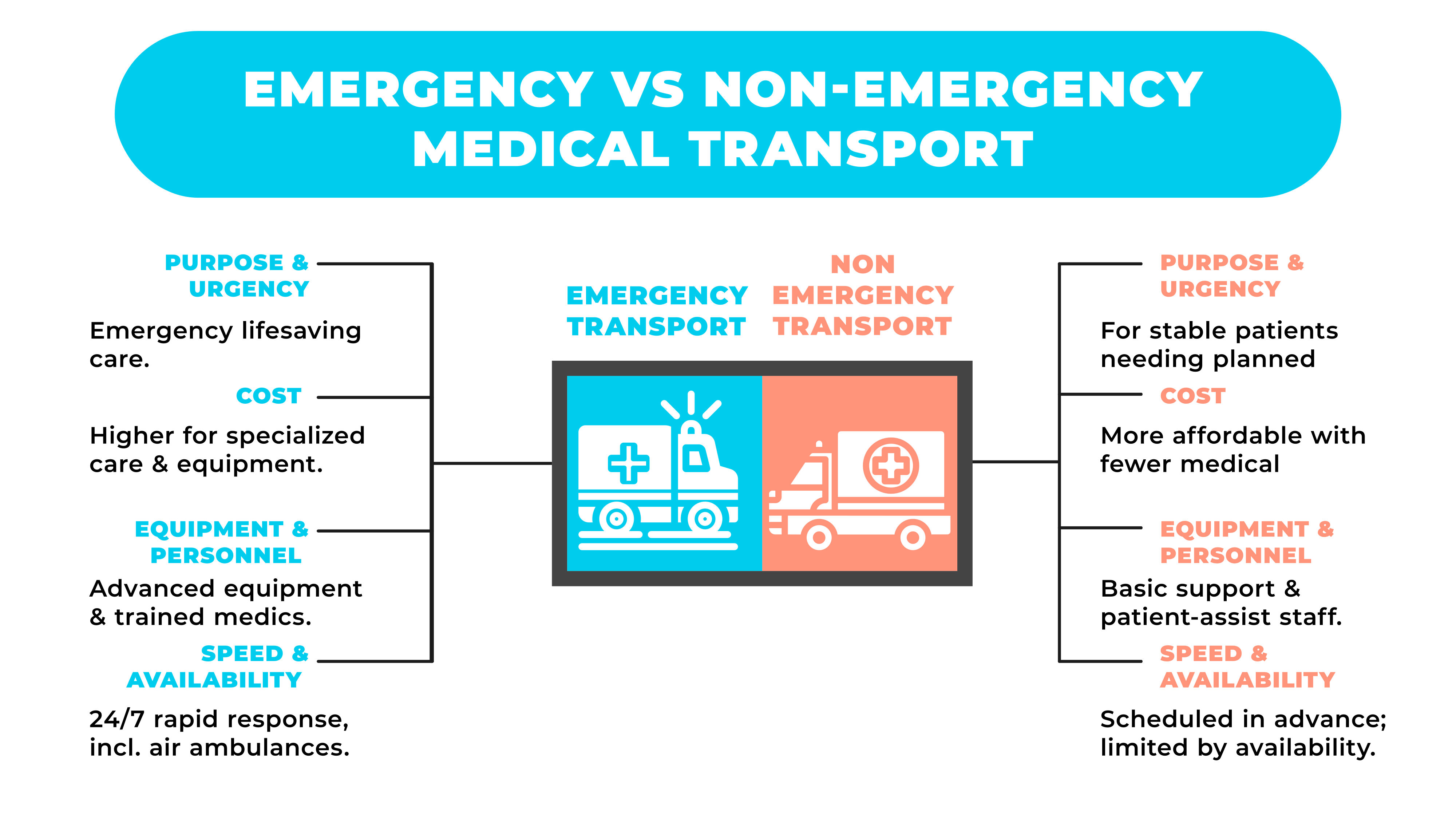
Understanding the differences between emergency medical transport and non emergency medical transport is important for ensuring that patients receive the right level of care while optimizing resources and managing costs. Below, we’ll explore the differences between these two types of medical transport:
1. Purpose and Urgency
The most fundamental difference between emergency and non emergency medical transportation services lies in the purpose and urgency of the transportation.
- Emergency medical transport is designed to provide rapid, lifesaving care for individuals experiencing critical medical conditions. These situations require immediate attention and specialized medical expertise. These services are typically activated through emergency calls to 911 or local emergency numbers.
- Non-emergency medical transportation is used for non-urgent medical needs, typically involving patients who have stable medical conditions but require assistance getting to healthcare appointments, treatments, or ongoing care. NEMT services are typically scheduled in advance and may involve transportation to and from healthcare facilities, as well as assistance with transfers and other tasks.
2. Cost Differences
When it comes to cost, the disparity between emergency and non-emergency transport is significant.
- Emergency medical transport is typically much more expensive due to several factors. First, it often involves the use of specialized equipment (e.g., defibrillators, ventilators, IV medications) and highly trained medical professionals, such as paramedics or emergency medical technicians (EMTs), who are required to administer treatment during transport. Additionally, emergency transport services are available on-demand, which increases costs, especially in situations involving air ambulances or longer distances. Many insurance policies also charge higher co-pays for emergency transport due to its high cost.
- Non emergency medical transport service, on the other hand, is usually more affordable. Since NEMT services do not involve the same level of medical intervention or urgency, the cost is generally lower. Many insurance providers and Medicaid plans often cover NEMT services, making it a more budget-friendly option for individuals who need regular medical transportation without the added expense of emergency care.
3. Equipment and Personnel
The equipment and personnel required for emergency versus non-emergency transport differ significantly due to the nature of the patient’s condition and the level of care needed.
- Emergency medical transport usually involves a higher level of medical oversight and equipment. Ground ambulances, air ambulances, and emergency transport vehicles are equipped with advanced medical tools such as defibrillators, cardiac monitors, oxygen tanks, IV supplies, and life-saving drugs. Medical staff on board are highly trained to handle critical care, including paramedics, emergency medical technicians (EMTs), or even registered nurses in some cases.
- Non-emergency medical transport involves far fewer medical resources, as the patient’s condition is typically stable. Most NEMT vehicles are equipped with basic comfort aids, such as wheelchair ramps or lifts, and the personnel on board are trained in basic first aid and patient assistance. In some cases, non-emergency medical transport may include a nurse or other healthcare professional if the patient requires ongoing care during transit.
4. Speed and Availability
Another significant distinction between emergency and non-emergency transport lies in their speed and availability.
- Emergency medical transport is available 24/7. It is designed to respond quickly to emergencies and transport patients to the nearest appropriate medical facility. Additionally, air ambulances may be used in cases where road access is limited or the need for speed is critical.
NEMT services, on the other hand, may require advance scheduling. While NEMT providers strive to accommodate patients’ needs, they may not be able to respond immediately to urgent requests.
Key Factors to Consider When Choosing Medical Transport
Choosing the right medical transport is crucial to ensure the patient receives the appropriate care while managing costs and logistical concerns. Here are the key considerations to keep in mind when selecting the best transport option:
- Assess whether the medical situation requires immediate attention or can be managed with routine care.
- Determine if the situation is time-sensitive or if transport can be scheduled for a later date.
- Check with your insurance provider to understand what types of transport are covered under your plan.
- Consider your budget and whether the transportation option aligns with your financial situation.
- Ensure that the transport option is available in your area and can be accessed when needed.
Conclusion
In summary, emergency and non-emergency medical transportation serve distinct needs. Knowing when to use each service ensures timely, appropriate care and helps manage healthcare costs. At Infina Health, we provide both emergency and non-emergency medical transport options tailored to your needs.
Wondering which type of medical transport you need? Contact us to discuss your transportation requirements.