Challenges and Solutions in Transporting Children with Special Needs in Berks County
Transporting children with special needs can be a significant challenge, particularly in areas like Berks County, Pennsylvania, where the demand for specialized services is growing. Children with disabilities or special healthcare needs often require more tailored transportation solutions to ensure their safety, comfort, and timely arrival at school, therapy, or medical appointments. While the local community strives to accommodate these needs, there are several obstacles that families and service providers face.
In this blog, we will explore some of the common challenges associated with transporting special needs children in Berks County, the innovative solutions that are being implemented, and how partnering with a specialized provider like Infina Health can ensure the best outcomes for families.

Medical transport provider assisting a child in a wheelchair onto a vehicle for special needs transportation.
Challenges in Transporting Children with Special Needs in Berks
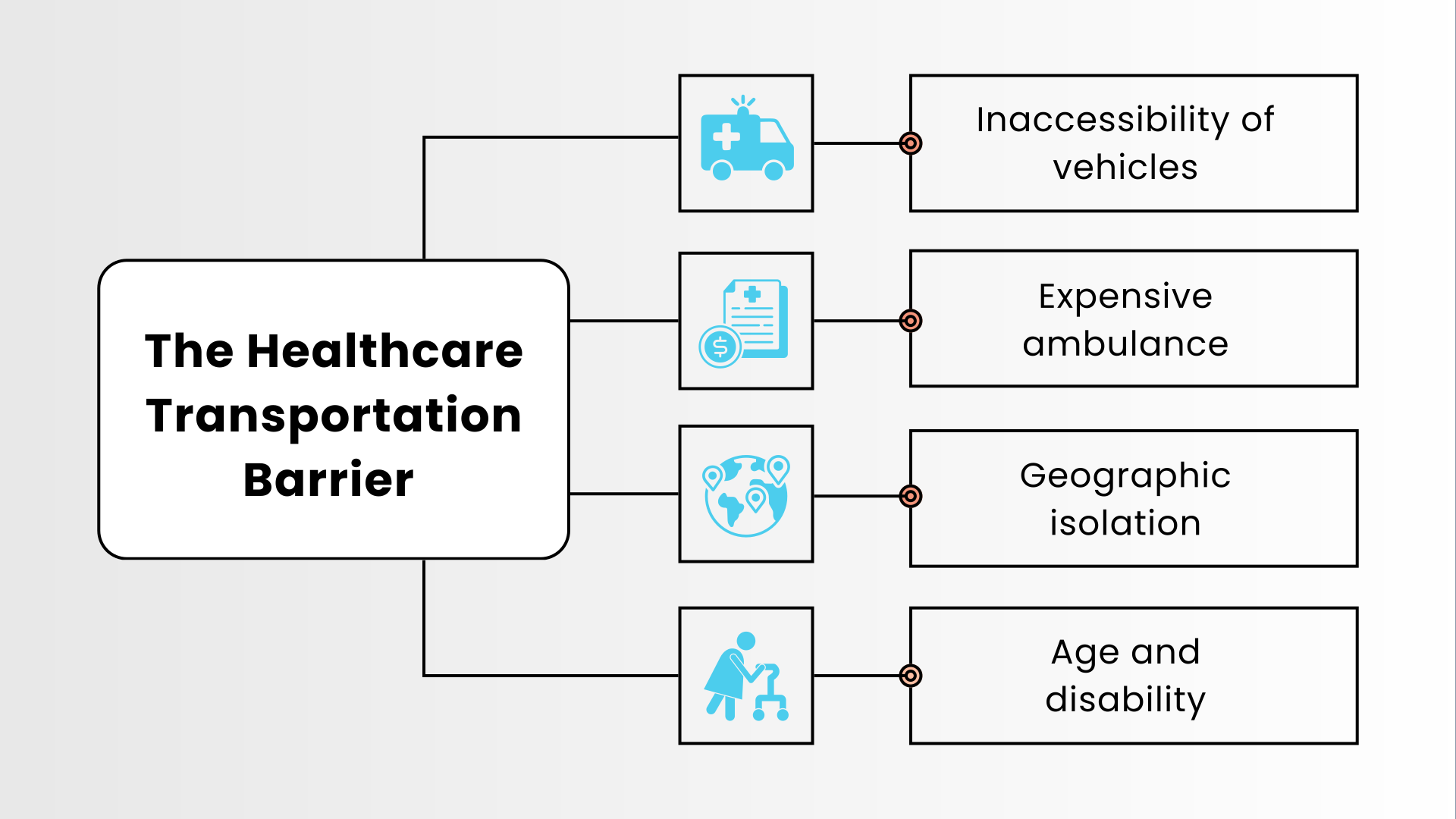
The following are some of the most common obstacles families face:
1. Lack of Accessibility and Specialized Vehicles
One of the primary challenges is the limited availability of specialized transportation services in Berks County for children with special needs. Many traditional school buses and transportation systems are not equipped to accommodate children who require wheelchairs, specialized medical equipment, or support staff to assist them. Additionally, many of these children need adaptive vehicles with ramps, lifts, or secure seating systems that can safely transport them in a way that addresses their specific needs. Without these vehicles, parents are often left scrambling to find solutions or may have to take on the responsibility of transporting their children themselves.
2. Driver Training and Experience
Driving a bus or vehicle designed to transport special needs kids requires more than just the ability to operate a vehicle. Drivers must be properly trained in assisting children with mobility challenges, communicating with non-verbal children, managing medical equipment, and responding quickly to medical emergencies. Many transportation services in Berks County face difficulties in recruiting and retaining drivers who possess these specialized skills. Without adequately trained staff, the safety and well-being of children could be at risk during transport.
3. Medical Needs During Transit
Children with complex medical conditions, such as those who require oxygen, medication, or other forms of medical support, face additional challenges. The logistics of transporting children who require constant monitoring or care—such as those with respiratory issues, heart conditions, or severe developmental disabilities—demand vehicles that are equipped with medical equipment and staff who are trained in emergency procedures. Unfortunately, many transportation services are not equipped to meet these needs, leaving parents concerned about their child’s safety while in transit.
4. Limited Coverage and Flexibility
In rural areas like Berks County, transportation services often operate on fixed routes or schedules, which may not be ideal for children who require a more individualized service. Families may find that public transportation or school district-provided buses do not operate in their areas or at the times they need. For children with special needs in Berks, this lack of flexibility can mean missing vital appointments, therapies, or even school days, which could hinder their overall development and quality of life.
5. Coordination Between Providers
Many families rely on a combination of school transportation, private vehicles, and medical transport services to get their child to various appointments, schools, and therapies. The challenge lies in coordinating these different services effectively, which can become a logistical nightmare for parents. When transportation is not aligned with medical appointments or school schedules, delays and missed opportunities arise, often leading to heightened stress for families.
6. Cost of Specialized Transportation
Specialized transportation services can come with a higher price tag, and for many families, these costs are a significant barrier. Public programs such as school transportation may not cover the full range of needs, and families often must seek private services or arrange for additional funding. For lower-income families or those without adequate insurance, affording these services can be a major concern.
Ready to secure transportation for your child with special needs?
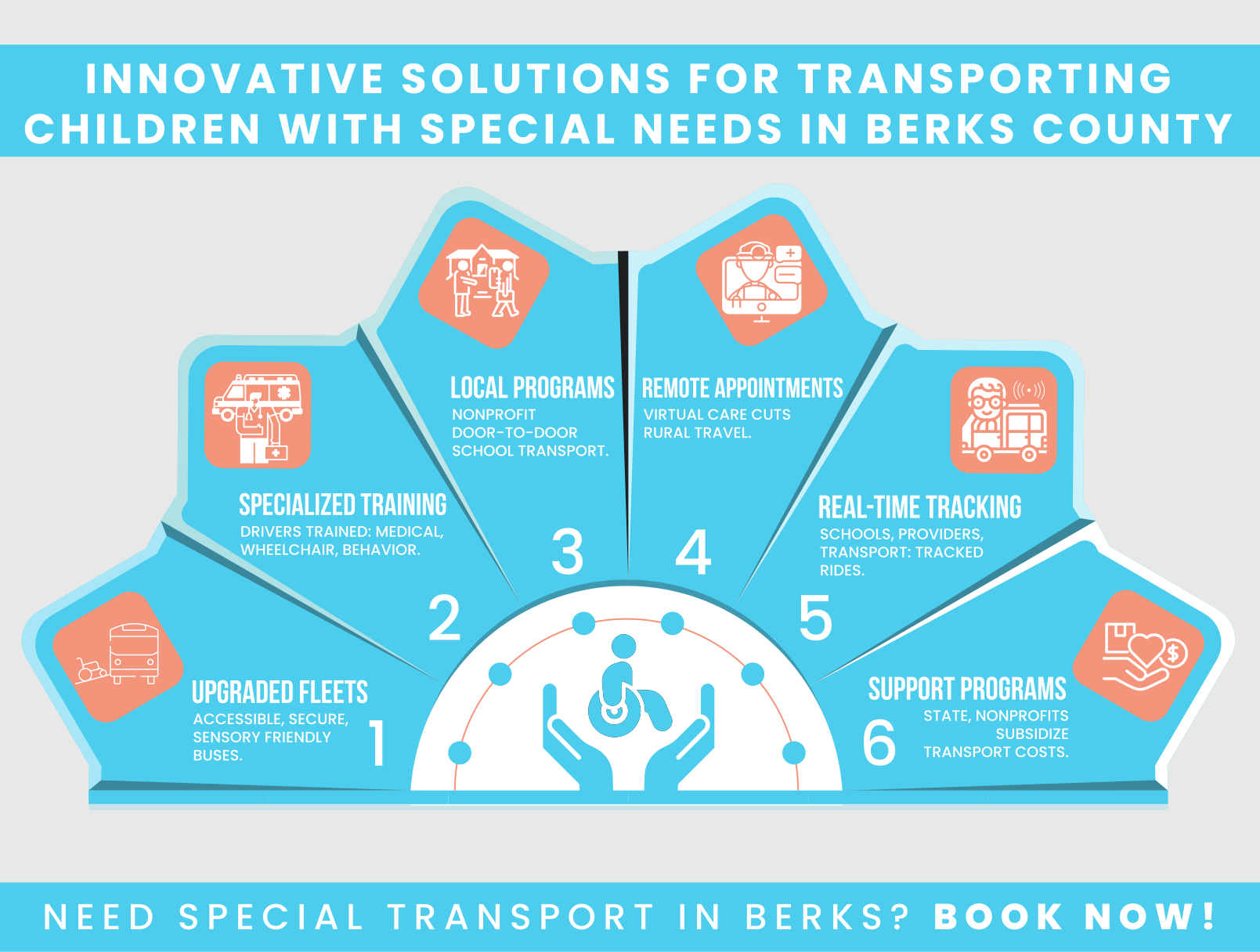
Innovative Solutions to the Challenges in Transporting Children with Special Needs in Berks
Following are some innovative approaches being adopted to overcome the challenges in transporting children with special needs:
1. Investing in Specialized Vehicles
One solution that is gaining traction in Berks County is the investment in specialized vehicles that are equipped with ramps, lifts, and secure seating for children with special needs in Berks County. Local school districts and private transport services are beginning to update their fleets to accommodate children who need wheelchair transport or have other mobility challenges. These vehicles also incorporate space for medical equipment, and some are designed with sensory-friendly features to ensure a more comfortable experience for children with autism or other sensory sensitivities.
2. Comprehensive Driver Training
To address the need for well-trained drivers, more transportation companies in Berks County are offering specialized training programs that focus on the skills necessary to safely transport children with special health care needs. This training includes understanding how to safely load and secure children with wheelchairs, the use of emergency medical equipment, and how to provide effective communication with children who have speech or cognitive delays. Additionally, many programs include de-escalation and behavioral management training to ensure that drivers can handle challenging situations calmly and effectively.
3. Telehealth and Virtual Appointments
With advances in telehealth and virtual consultations, some children with special needs may be able to attend medical or therapy appointments remotely, reducing the need for transportation altogether. This is especially helpful for families living in rural areas of Berks County where transportation options are limited. While not a replacement for all in-person appointments, telehealth provides a viable solution for many non-emergency medical and therapeutic needs, easing the strain on transportation logistics.
4. Community-Based Transport Solutions
In response to limited transportation options, Berks County has seen the growth of community-based transport programs, often in partnership with local nonprofits and healthcare organizations. These programs provide door-to-door transportation for special needs kids in Berks, including rides to medical appointments, therapy, and school. By leveraging local resources and volunteers, these programs can offer more personalized and flexible transportation, meeting the unique needs of each child.
5. Coordination with Schools and Medical Providers
To streamline transportation, there has been increased collaboration between school districts, healthcare providers, and transport services in Berks County. By ensuring that transportation providers are informed of medical needs and school schedules, families can avoid delays or miscommunications. Additionally, some transportation services now offer tracking apps, allowing parents to monitor the status of their child’s ride in real-time, further enhancing coordination and reducing anxiety for families.
6. Financial Assistance and Support
To mitigate the financial burden, there are some financial assistance programs available for families in Berks County. Some state-funded programs and local nonprofits offer subsidies or discounts for specialized transportation services. Families can also work with insurance providers to see if their child’s transportation costs can be covered under medical or therapy-related benefits.