BOOK NOW
A Comprehensive Guide To Non Emergency Medical Transportation
BOOK NOW

A COMPREHENSIVE GUIDE TO NON EMERGENCY MEDICAL TRANSPORTATION: EVERYTHING YOU NEED TO KNOW 

HOME / BLOGS / A COMPREHENSIVE GUIDE TO NON EMERGENCY MEDICAL TRANSPORTATION: EVERYTHING YOU NEED TO KNOW 
Publish Date: August 4, 2025

A Comprehensive Guide to Non Emergency Medical Transportation: Everything You Need to Know

As healthcare systems continue to evolve and expand, the issue of transportation to medical appointments remains a critical challenge for numerous individuals. Even in regions with well-developed healthcare frameworks, people may face difficulties in reaching medical facilities due to a variety of factors, including limited access to public transportation, lack of personal vehicles, and physical disabilities. This is particularly true for those seeking non-emergency medical care, such as routine check-ups, preventive screenings, and follow-up appointments. These obstacles can hinder timely access to essential medical care, leading to adverse health outcomes and worsening existing health disparities. For individuals with chronic conditionphs or disabilities, reliable transportation to medical appointments is crucial for managing their health and maintaining a good quality of life. In this blog post, we will discuss everything related to non emergency medical transportation (NEMT), including its benefits, types of services, eligibility criteria, and how to access it.

What is Non-Emergency Medical Transportation?

Non-emergency medical transportation (NEMT) is a type of transport service that provides transportation for individuals who require assistance in traveling to and from medical appointments. Unlike emergency medical services (EMS), which are designed to handle urgent medical situations, NEMT focuses on transporting patients who do not require immediate emergency care. According to a 2006 study by Hughes-Cromwich & Wallace, approximately 3.6 million adults in the United States miss or delay non-emergency medical care because they lack reliable transportation. This statistic highlights the critical role that non-emergency transport services play in ensuring individuals can access necessary healthcare. NEMT services are essential for individuals who are unable to drive themselves due to a variety of reasons, including physical disabilities, chronic illnesses, or age-related limitations. They can also be beneficial for those who live in rural areas or lack access to reliable public transportation. By providing safe and reliable transportation to medical appointments, non emergency medical transportation services help to ensure that individuals receive the care they need to maintain their health and well-being.

The Benefits of Non Emergency Medical Transportation Services

Non-emergency medical transportation (NEMT) services play a key role in guaranteeing that every individual receives timely and accessible healthcare, especially in non-critical situations. Here are some ways NEMT services help:

Routine Check-ups and Preventive Care

Non emergency medical transportation enables individuals to attend regular check-ups and preventive screenings, which are essential for maintaining good health and detecting potential health problems early.

Chronic Disease Management

For individuals with chronic conditions, NEMT provides a reliable means of transportation to medical appointments, allowing them to receive ongoing care and manage their symptoms effectively.

Follow-up Appointments

Non-emergency medical transport services help individuals attend follow-up appointments after surgeries, treatments, or diagnostic tests, ensuring that their recovery is monitored and any necessary adjustments to their care plan can be made.

Mental Health Services

Non-emergency medical transportation can facilitate access to mental health counseling, therapy, and support groups, providing individuals with the resources they need to address their emotional well-being.

Rehabilitation Services

For individuals recovering from injuries or illnesses, NEMT services can help them attend physical therapy, occupational therapy, or other rehabilitation programs, enabling them to regain their independence and improve their quality of life.

Access to Specialized Care

Non emergency medical transportation can transport individuals to specialized medical facilities, such as dialysis centers, cancer treatment centers, or rehabilitation clinics, ensuring they receive the specialized care they require.

Improved Health Outcomes

By facilitating access to essential medical care, non emergency medical transport services can help improve health outcomes for individuals with chronic conditions, disabilities, and other health challenges.

Enhanced Quality of Life

Non emergency medical transportation can significantly improve the quality of life for individuals who rely on it, allowing them to maintain their independence and participate fully in their communities.

Reduced Healthcare Costs

By preventing complications and reducing the need for emergency medical services, NEMT can help to reduce healthcare costs. In addition, many insurance plans cover NEMT which can help reduce out-of-pocket expenses for patients and their families.

Increased Healthcare Access

A non emergency medical transport service can help to increase access to healthcare for underserved populations, including those living in rural areas, individuals with disabilities, and low-income individuals.

Access to Trained Personnel

NEMT providers employ trained personnel, such as EMTs or paramedics, who are equipped to handle medical emergencies that may arise during transportation. This provides peace of mind for patients and their families, knowing that they will be in safe hands.   Let us take you to your next medical appointment – schedule your transportation with Infina Health. Book Now!  

Who Can Access and Benefit from Non Emergency Medical Transportation Services?

NEMT services can benefit a wide range of individuals who face challenges in accessing medical care due to transportation limitations. Some of the groups that can significantly benefit from non emergency medical transport include:
  1. NEMT services can provide people with physical, cognitive, or sensory disabilities with a safe and reliable means of transportation, ensuring they have access to the care they need.
  2. NEMT can provide a convenient and safe way for older adults to get to and from the doctor’s office, hospital, or rehabilitation facility.
  3. Rural areas often have limited public transportation options, making it difficult for residents to reach medical facilities. NEMT can bridge this gap and ensure that individuals living in rural areas have access to the healthcare they need.
  4. The cost of transportation can be a significant barrier to healthcare access for low-income individuals. NEMT services can help reduce this barrier and ensure that everyone, regardless of income, has the opportunity to receive necessary medical care.
  5. People with chronic conditions, such as diabetes, heart disease, or arthritis, often require frequent medical appointments. NEMT can provide them with a reliable means of transportation.
  6. People recovering from injuries or illnesses may have limited mobility and require assistance in getting to and from medical appointments. NEMT can provide them with the transportation they need to continue their recovery process.
A paramedic carefully assisting an elderly woman on a stretcher as he transports her from the ambulance to her routine non-emergency medical transportation.

A paramedic carefully assisting an elderly woman on a stretcher as he transports her from the ambulance to her routine non-emergency medical transportation. 

Types of Non Emergency Medical Transportation Services

Non emergency medical transport services come in various forms to accommodate the diverse needs of patients. Here are some of the most common types of NEMT services:

  1. Wheelchair Transportation: These vehicles are equipped with ramps, lifts, and secure tie-down systems to accommodate patients who use wheelchairs. Wheelchair transport vehicles can be sedans, vans, or buses, depending on the number of passengers and the specific needs of the patients.
  2. Stretcher Transportation: For patients who cannot sit up or need to be transported on a stretcher, specialized vehicles equipped with stretcher loading systems are available. These vehicles often have a larger interior space to accommodate the stretcher and medical equipment.
  3. Non-Emergency Ambulances: While ambulances are typically associated with emergency medical services (EMS), they can also be used for non-emergency medical transportation. These vehicles are equipped with medical equipment, such as oxygen tanks, stretchers, and first aid kits, to provide a safe and comfortable transportation experience for patients.
  4. Specialized Transportation: Some NEMT providers offer specialized transportation services for patients with specific needs, such as those who require oxygen therapy or dialysis. These services may involve using specialized vehicles or equipment to accommodate the patient’s medical condition.

To learn more about the different types of NEMT services and how to choose the right one for your needs, please read our blogpost to make informed decisions regarding your mode of transport.

How Much Does Non Emergency Medical Transportation Cost?

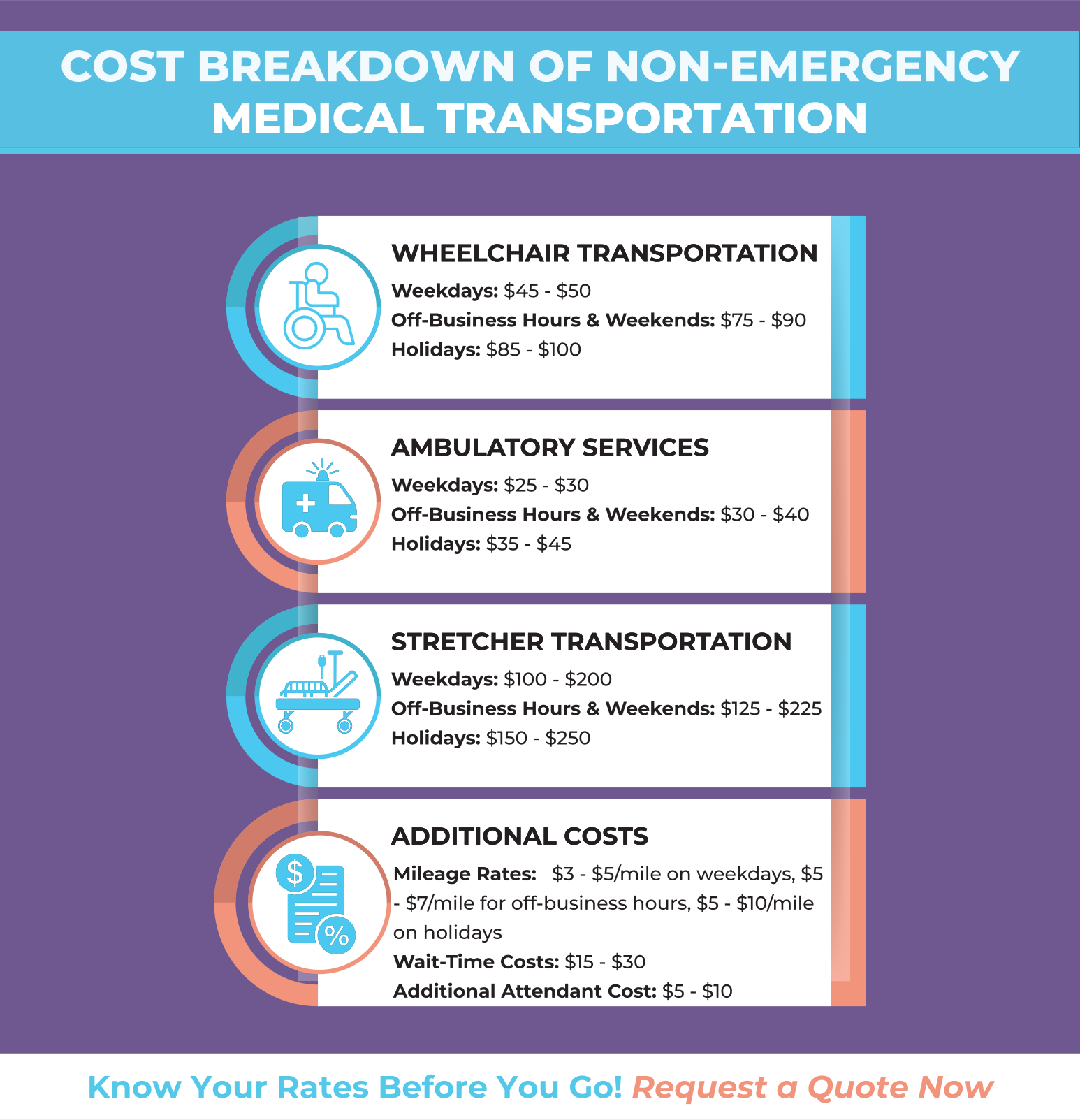
When considering non-emergency medical transportation services, understanding the associated costs is essential for individuals planning their healthcare logistics. Non emergency medical transportation costs vary based on several factors, including the type of service, the time of day, and any additional requirements.

For instance, wheelchair transportation typically ranges from $45 to $50 during weekdays but can increase significantly to $75-$90 during off-business hours and weekends, and further to $85-$100 on holidays. Similarly, ambulatory services start at a more affordable $25 to $30, but prices can rise during non-standard hours.

Stretcher transportation, which requires more specialized equipment and care, commands higher fees, starting at $100 on weekdays and reaching up to $250 on holidays. Additional mileage rates and wait-time costs also contribute to the overall expense, with charges varying from $3 to $10 per mile depending on the time of service.

Factors affecting these costs include the level of care required, distance to the medical facility, and specific patient needs, such as the necessity for an additional attendant. By being aware of these factors, individuals can better plan and budget for their NEMT needs.
Guide To NEMT

How to Choose the Right Non Emergency Medical Transportation Company?

When looking for non-emergency medical transportation services, selecting the right company is crucial to ensure safe, reliable, and affordable transportation to and from healthcare appointments. Here are some key factors to consider when choosing the right non emergency medical transportation company:

Accreditation and Licensing

It’s important to look for companies accredited by recognized organizations like the Commission on Accreditation of Rehabilitation Facilities (CARF), as these accreditations indicate adherence to high standards of quality and safety. Additionally, ensure that the company is licensed to operate NEMT services in your state or region, verifying their compliance with local regulations and standards.

Insurance Coverage

Confirm that the company’s vehicles are adequately insured to cover any potential accidents or damages. It’s also essential to ensure they have sufficient liability insurance to protect you in case of any incidents, as well as workers’ compensation insurance to cover any injuries to their employees.

Experience and Reputation

A company with a longer track record may have more experience and established processes, so consider their years in business. Reading online reviews and testimonials from previous customers can provide insights into their experiences and asking your healthcare provider or friends and family for referrals can also be beneficial.

Fleet and Vehicle Maintenance

Inspecting the company’s vehicles is vital to ensure they are clean, well-maintained, and in good working condition. Requesting maintenance records can help verify that regular inspections and repairs are conducted, and if you require a wheelchair-accessible vehicle, ensure they have a fleet that accommodates your needs.

Staff Qualifications

Verify that the company’s drivers and medical attendants are trained and certified in providing safe and appropriate transportation services. Look for companies with staff who have experience transporting patients with various medical conditions. Additionally, assess the professionalism, courtesy, and responsiveness of the staff to your needs.

Services Offered

Determine if the company provides the transportation mode you require, such as wheelchair vans, stretchers, or ambulatory services. Consider any additional services they may offer, like oxygen tank storage or accompanying medical personnel, and evaluate their ability to accommodate your appointment schedules with timely transportation.

Pricing and Insurance Coverage

Obtaining detailed cost estimates based on your specific needs, including distance and type of service, is essential. Inquire about their process for insurance billing and reimbursement, and check if they accept various payment methods, such as credit cards, cash, or insurance billing.

For those in need of non-emergency medical transportation services, Infina Health stands out as a top provider. With our commitment to quality and safety, we provide a smooth and reliable transportation experience tailored to your needs. So, call us at 1-888-446-3462 if you would like to book a service or for additional information on this topic, read our blog on “How to choose the right non emergency medical transportation services for your needs?

The Final Word

In conclusion, non-emergency medical transportation is an essential service that bridges the gap between individuals and the healthcare they need, particularly for those facing transportation challenges. By understanding the types of NEMT services available, their benefits, and the factors influencing costs, patients can make informed decisions about their transportation options. Whether for routine check-ups, chronic disease management, or specialized care, NEMT ensures that everyone has the opportunity to access vital medical services.

Need a ride to your next medical appointment? We’re here to help!

Call Now!

Published By: Kamran Wali