Understanding Integrated Medical Transport
Integrated Medical Transport is a synchronized healthcare transport system that harmoniously links patients, medical facilities, and transport services to transfer patients across varying levels of care safely, on time, and efficiently.
Comparing Conventional and Integrated Transport
As compared to the conventional transport models, it combines different means of transportation, including ground ambulances, wheelchair-accessible vehicles, and specialized medical transportation, within one framework anchored by real-time communication, trained staff, and patient-focused protocols. This practice does not only increase continuity of care but also saves time, lessens risks associated with transfers, and generally improves patient outcomes.
All in all, the integrated medical transport is an important part of the contemporary healthcare systems because it entails the integration of logistics, medical skills, and technology to support non-emergency medical transportation (NEMT), hospital discharge, and interfacility transfers.
5 Things You Didn’t Know About the Integrated Medical Transport in PA
When discussing medical transportation in Pennsylvania, one would mostly think of an ambulance to go somewhere fast or the transportation to and fro the hospital. However, it is not the whole story, particularly when it comes to Integrated Medical Transport (IMT) since it is not merely the point A to point B transport.
In Pennsylvania, there has been a quiet revolution in how patients particularly the aged, disabled and medically vulnerable people are treated in terms of transport services. These services alone are not merely logistics but a registration of more continuity, security and comfort in the patient adventure.
Here are 5 facts about the integrated medical transport in PA that you may not have known before, not to mention why it is a critically important component of patient-centred healthcare.
1. Integrated Medical Transport Is Not All About Vehicles
The majority of the population thinks a medical transport is only an ambulance or van service But, integrated medical transport is much more than this.
It is a Collaborative Healthcare Network
In Pennsylvania, transport integration services are provided as a part of a greater medical system. This includes:
- Hospitals
- Nursing homes
- Rehabilitation canters
- Dialysis units
- Physicians and specialists of primary care clinics
- Emergency systems and dispatching systems
When a patient has to be transported, whether it is an emergency case or a routine trip, the system does not merely require a vehicle to go to the settings. It links with medical teams, dispatch teams, and the care plan of the patient to create a smooth and safe journey.
Modes of Transport Are Tailored
With integrated systems, users get a great choice of vehicles to fit specific requirements:
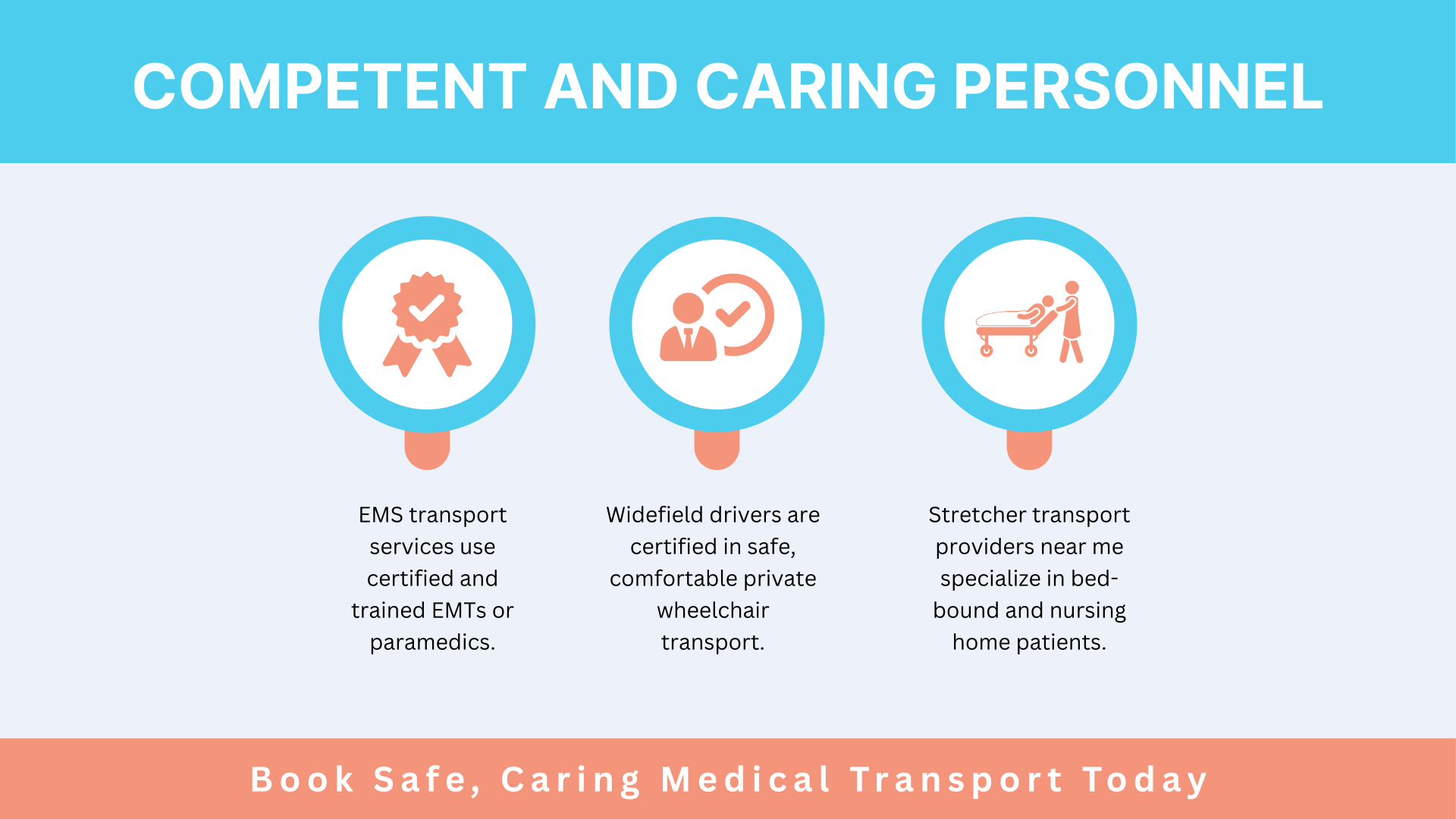
- The lifts in wheelchair vans to accommodate the mobility-challenged people
- Bariatric units where patients specially need body weight care
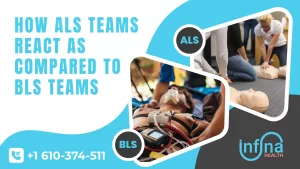
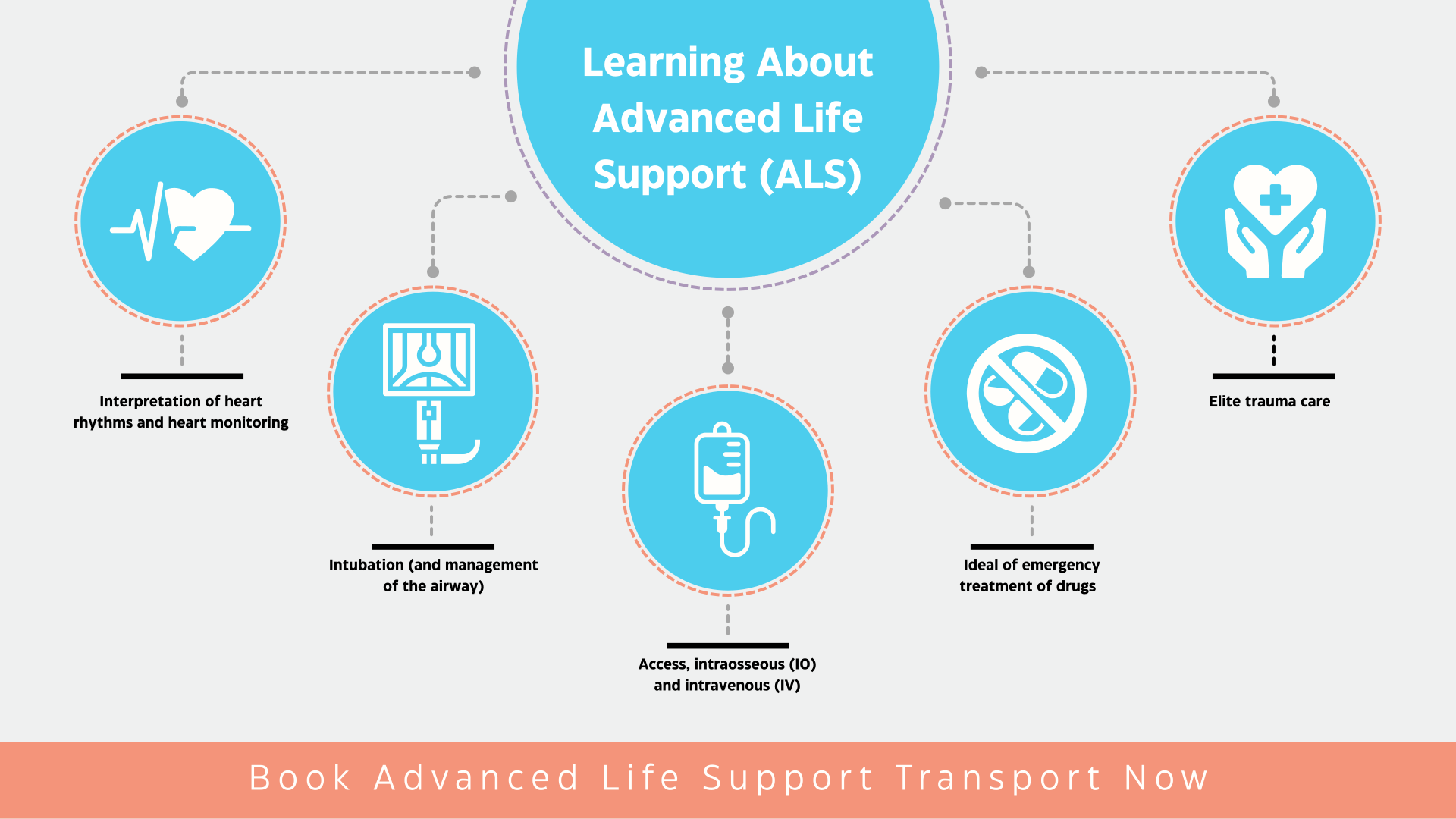
- Advanced Life Support (ALS) ambulances in cases of critical care
- Basic Life Support (BLS) units of observation transport
It is all designed according to the needs of a patient in terms of the medical needs and emotional needs.
2. Technology has a Massive Role in Family Reassurance and Patient Safety
The technology behind the integrated transport in PA is one of the least valued characteristics of this mode of transportation.
Real Time Tracking and Alert
Real-time GPS tracking is now being utilized by modern IMT providers and this enables:
- Live updates to be sent to family members
- Important to prepare staff of a hospital in advance
- Care teams to monitor patient as he travels
In the case of families, it implies an end to the worry and recurring calls. The notifications usually contain the time of dispatching the driver and the time the patient is picked up and the time of destination.
Integration of Electronic Health Record (EHR)
There are also transport providers in PA that have direct integration to EHRs. This will enable EMTs and paramedics to:
- View vital patient information in transport
- Communicate in-real-time to hospital groups
- Log vitals, and observations in real-time
This flow of continuity of care will also mean that the patient will not be repeating his or her history and has no fear of being misrepresented during transit.
3. It is a Last Resort of the Old and Rural Community
In such cities as Philadelphia or Pittsburgh, healthcare is more convenient to be accessed. But what about rural Pennsylvanian?
IMT is Important to Rural Counties
In Lancaster to the Alleghenies, there is a shortage of hospitals in other rural locations, and the population frequently drives far in order to:
- Chemotherapy
- Dialysis Specialist appointments
- Post-operative visits
Integrated transport is a literal lifeline in the case of such people since it provides a stable access to care without burdening families or endangering the health conditions of patients.
Aids in the Prevention of Hospital Readmissions
Quite a large number of the older adults discharged fail to get adequate follow-up or transportation to post-op visits. The solution of this lies in integrated transport:
- Booking the rides in advance
- Medically monitored environment assurance
- Home health provider coordination
It minimizes the number of ER visits and readmissions and has better long-term results, the outcome, and costs to the hospital and insurance companies.
4. It Lowers Overuse in the Emergency Room
The unexpected figure is that a considerable portion of visits to the ER is not so urgent people go there because they have no means of transport to other facilities.
MT Assists Patients in Indicators of the Correct Care at Correct Time Integrated medical transport transfers these patients out of ERs with large traffic to:
- Urgent care canters
- Primary care be attended
- Mental institutions
- Outpatient clinics
This makes the care better and takes away the burden on emergency departments.
Further Triage and Dispatch Systems
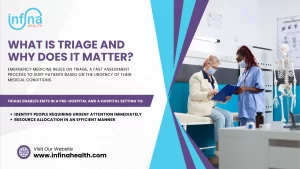
The triage algorithms have advanced, and centralized dispatching allows providers of IMT in PA to determine:
- The impression of an urgency of a call
- The best means of transport
- The closest care unit
This will make it more efficient, safer, and faster in leveraging medical resources in the state.
5. It is Not Just About Medical Emergencies
Integrated medical transport can be misinterpreted as the 911-only type of transport. However, actually, it can do much more non-emergency purposes that enhance the quality of life and help prevent long-term health issues.
Non-Emergency Medical Transportation (NEMT)
Pennsylvania is engaged in an integrated system that includes NEMT as part of its core challenge. It has rides that include:
- Regular dialysis
- Cancer treatments
- Behavior health care visits
- Physical therapy
- Prenatal care
- Disability evaluations
It is particularly essential to Medicaid recipients, elderly, and physically challenged people who are not capable of driving or living with their loved ones.
Preventive Care Access
IMT through its provision of accessible rides allows the patients to:
- Be up to date on preventative visits
- Get immunizations
- Treat long-lasting illnesses such as diabetes or heart illnesses
In this strategy, prevention comes out prominently as a solution hence stands to the value of value-based care which is a priority in care.
The Reason Pennsylvania Is on the Frontline
Pennsylvania is on the way to establish an example of transporter integration innovation. Here’s why:
- Healthy relationships with EMS, hospitals and with transport services as well as private companies
- Government facilitated packages which promote NEMT and out of town medical rides
- Patient satisfaction, safety, and accessibility are given a lot of importance
- Investment on the EHR integration and mobile health monitoring technology
- The community-based care approaches that respond to the urban, suburban, and rural needs
Consequently, IMT in PA is enhancing performance, cutting expenses, and providing patients with thousands of transport journeys daily.
Closure: Integrated Medical Transport a Moving Form of Healthcare
The next time you happen upon a medical transport trailer, or notice an ambulance siren sounding off, you may recall it is not so much about the ride.
The integrated medical transportation is a life-saving link between homes, care facilities, and hospitals in Pennsylvania. It is an engine for:
- Safety
- Equity
- Efficiency
- Compassion
IMT is making healthcare more human and connected, whether it is seeing that a grandmother arrives to undergo dialysis to time or seeing that a child undergoes treatment to eliminate the cancer that has infected their body.
Meanwhile, Infina Health is leading the charge of innovative medical transportation in PA. Whether it will be the transportation of a wheelchair, long-distance transportation, or like support on the road advanced life support, we deliver compassion, clinical expertise, and real-time vessel to all our customers.
We are not in the business of moving a patient; we are in the business of taking care of a patient, every mile, every day.
Explore IMT Benefits
Healthcare transportation is evolving! Integrated Medical Transport (IMT) offers a convenient and reliable way to get to and from medical appointments. Learn how IMT in PA is changing healthcare delivery.